On September 2, 2026, X AI announced that the grok-imagine-image-quality model slug would retire on November 2. Existing generation and editing requests keep their shape, but the old slug will be served by grok-imagine-image-2.0 with quality set to low. That compatibility route prevents an immediate API failure; it does not guarantee that the resulting image, cost, or default behavior will remain identical.
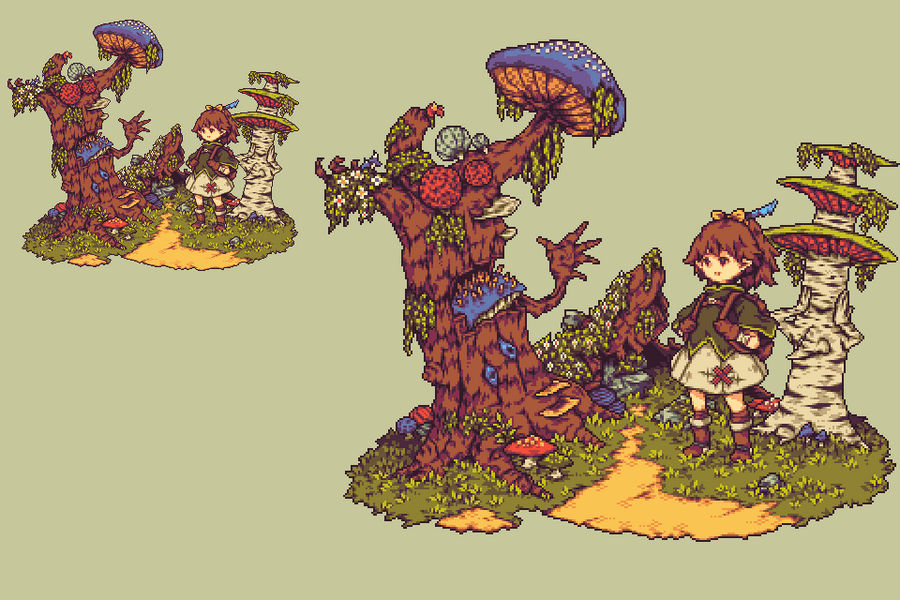
The practical migration question is therefore broader than a one-line model change. A team has to choose low, medium, or auto; decide which resolution belongs at each stage; account for input-image charges; and measure how many attempts survive review. Teams producing character portraits, item art, UI concepts, or marketing variations should price the entire approval loop before moving a production queue. You can compare the readability of shortlisted assets with the visual styles already used across Elseland games.
This guide separates four kinds of evidence. X AI documentation establishes API behavior and published prices. X AI's launch gallery shows selected outputs, which are useful examples but not a controlled benchmark. Arena supplies dated blind-preference data across a broad prompt pool. Your own acceptance test must decide whether the model works for a particular art direction, recurring character, editing task, and budget.
Quick read
Key takeaways
- The legacy grok-imagine-image-quality slug retires on November 2, 2026 and then routes to Image 2.0 low quality.
- Auto currently maps to low for generation and medium for editing, so an omitted quality field is not a fixed visual-quality promise.
- Output prices range from $0.04 for 1K low to $0.08 for 2K medium, plus $0.01 for each input image.
- Use dated Arena evidence for broad market position, then test your own prompt set for typography, identity, edit fidelity, and rejection rate.
What Changes on November 2, 2026
X AI says the request and response shapes remain unchanged. Calls to the retiring quality slug on both /v1/images/generations and /v1/images/edits will resolve to grok-imagine-image-2.0 at low quality, while grok-imagine-image 1.0 is unaffected. Requests sent to grok-imagine-image-pro already redirect through the retiring quality slug, so they follow the same path after November 2.
A silent compatibility path is useful for uptime, but it can hide a visual or economic change. The new model accepts an explicit quality field, up to five source images for editing, and additional 21:9 and 5:2 aspect ratios. Those capabilities may be welcome, yet they make an undocumented default harder to reproduce. Log the model returned in every response, pin quality explicitly, and review a fixed prompt suite before the retirement date.
Run the migration as a controlled release. Send a small percentage of representative jobs to the explicit Image 2.0 slug, compare them with the current route, and keep a rollback switch until reviewers agree on failure categories. A successful HTTP response is only transport evidence; it does not show that text is legible, identity is preserved, or the asset is ready for production.
| Decision | Before retirement | After retirement |
|---|---|---|
| Legacy quality slug | Serves the legacy quality model | Routes to Image 2.0 with quality=low |
| Image 2.0 with quality set | Uses the selected low or medium tier | No announced migration change |
| Image 2.0 with quality omitted | Uses auto | Auto remains a service policy that may evolve |
Low, Medium, and Auto Are Workflow Choices
Low is the cost-first tier for exploration, batch ideation, and prompts that will be discarded quickly. It is a sensible starting point when the decision is about composition, palette, silhouette, or whether an idea is worth another pass. Medium spends more compute and is the safer review tier when small text, facial features, surface detail, or edit fidelity affects approval.
Auto currently selects low for generation and medium for editing. Treat that mapping as a dated service policy, not a permanent quality contract. Explicit settings make cost forecasts, regression comparisons, and incident reviews easier to reproduce. If an automated pipeline omits quality today, a later provider-side change could alter both the bill and the visual result without a code change in your repository.
Resolution should follow the next decision, not the largest available number. A 1K low draft can be enough to reject a weak composition. A 2K medium image may be justified only after the concept, aspect ratio, and text layout are stable. This staged approach avoids paying the highest rate for ideas that will be discarded for reasons visible at a smaller size.
| Setting | Current behavior | Good starting use |
|---|---|---|
| low | Lower-cost output | Thumbnails, ideation, broad prompt search |
| medium | Higher-cost output | Shortlists, text-heavy art, precise edits |
| auto | Low for generation; medium for editing | Teams willing to follow X AI's changing default |
Grok Imagine Image 2.0 Price Matrix
X AI bills output by resolution and quality. Each source image used for editing or composition adds $0.01. A request with five references therefore adds $0.05 before the output image charge.
For 1,000 generated images, 1K low output costs $40 before inputs and retries; 2K medium costs $80. Those figures describe generated outputs, not approved assets. If only half of the generations survive review, the output portion of the effective cost per accepted asset roughly doubles before storage, moderation, cleanup, and human review.
Consider a character-edit job that uses three reference images. A 1.5K medium output costs $0.07 and the references add $0.03, so one attempt costs $0.10. If the team needs an average of 2.5 attempts for an approved result, the generation service cost is about $0.25 per accepted image. At 10,000 accepted images, that difference is operationally meaningful even before staff time.
The approval rate is usually more important than the sticker price. Track cost per request, attempts per accepted asset, reviewer minutes, correction time, and final rejection reason. X AI documents usage.cost_in_usd_ticks in API responses, which lets a team join provider charges with its own asset and review records instead of estimating spend from request counts alone.
| Resolution | Low | Medium | 1,000 outputs: low / medium |
|---|---|---|---|
| 1K | $0.04 | $0.06 | $40 / $60 |
| 1.5K | $0.05 | $0.07 | $50 / $70 |
| 2K | $0.06 | $0.08 | $60 / $80 |
| Input image | $0.01 each | $0.01 each | Add $10 per 1,000 inputs |
How to Read the Arena Result
X AI's August 7 launch article reported Image 2.0 as second on both Arena Text-to-Image and Image Edit leaderboards on that date, with the provider listed as SpaceXAI. The later migration guide described the low tier as number two for Image Edit and number three for Text-to-Image. These are useful dated claims, but they should not be carried forward as timeless rankings.
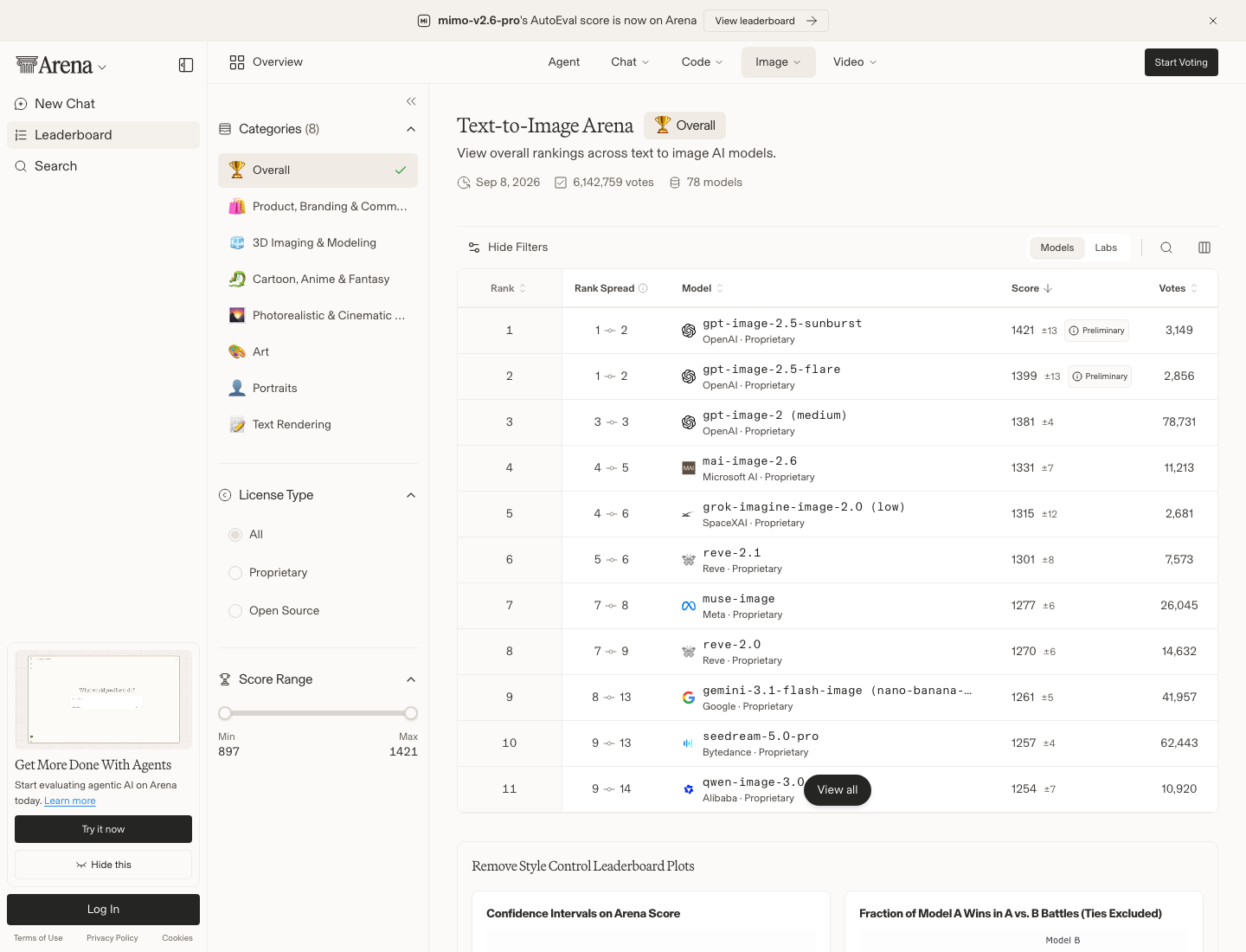
The official Arena Text-to-Image board captured on September 22 displayed data dated September 8. It placed grok-imagine-image-2.0 (low) at rank 5, with a rank spread of 4–6, a score of 1315 ±12, and 2,681 votes. Two preliminary OpenAI entries occupied the first two rows. The screenshot preserves those qualifiers because rank, uncertainty, vote count, and preliminary status all affect interpretation.
Arena answers whether anonymous voters preferred outputs across its changing prompt and model pool. It does not measure your unit economics, latency, licensing workflow, or whether a model preserves one game character through twenty edits. It also does not make rows with overlapping uncertainty cleanly separable. Keep the dated leaderboard view beside a task-specific evaluation sheet and refresh it when the candidate pool changes.
What the Official Output Samples Can and Cannot Show
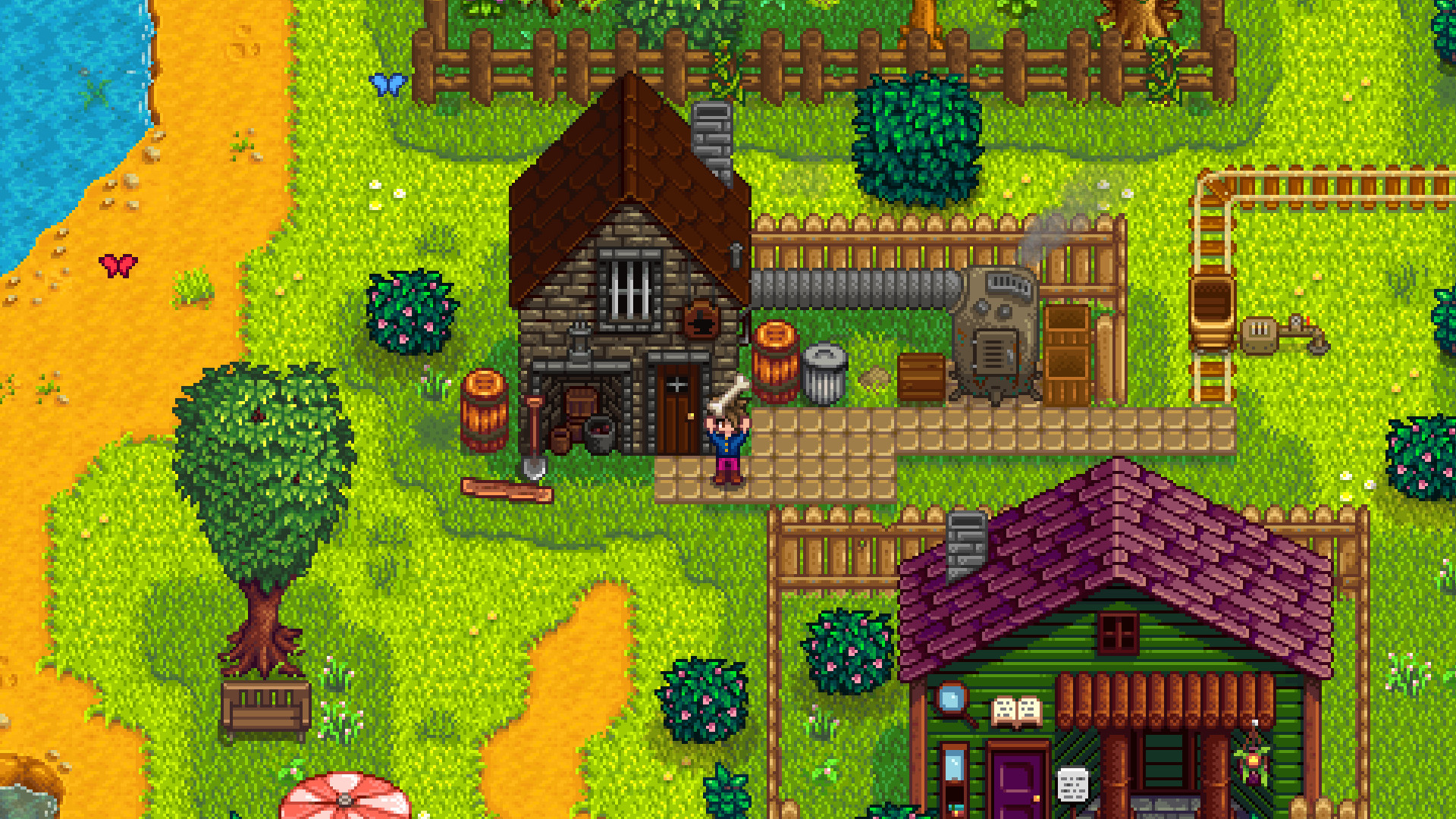
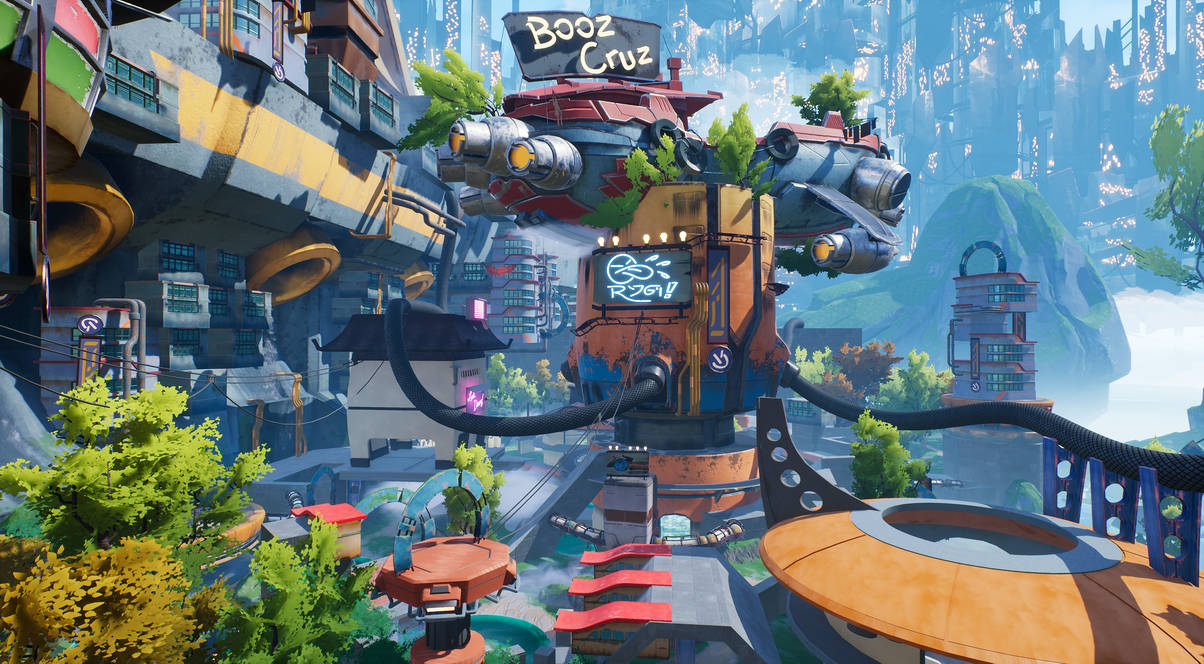
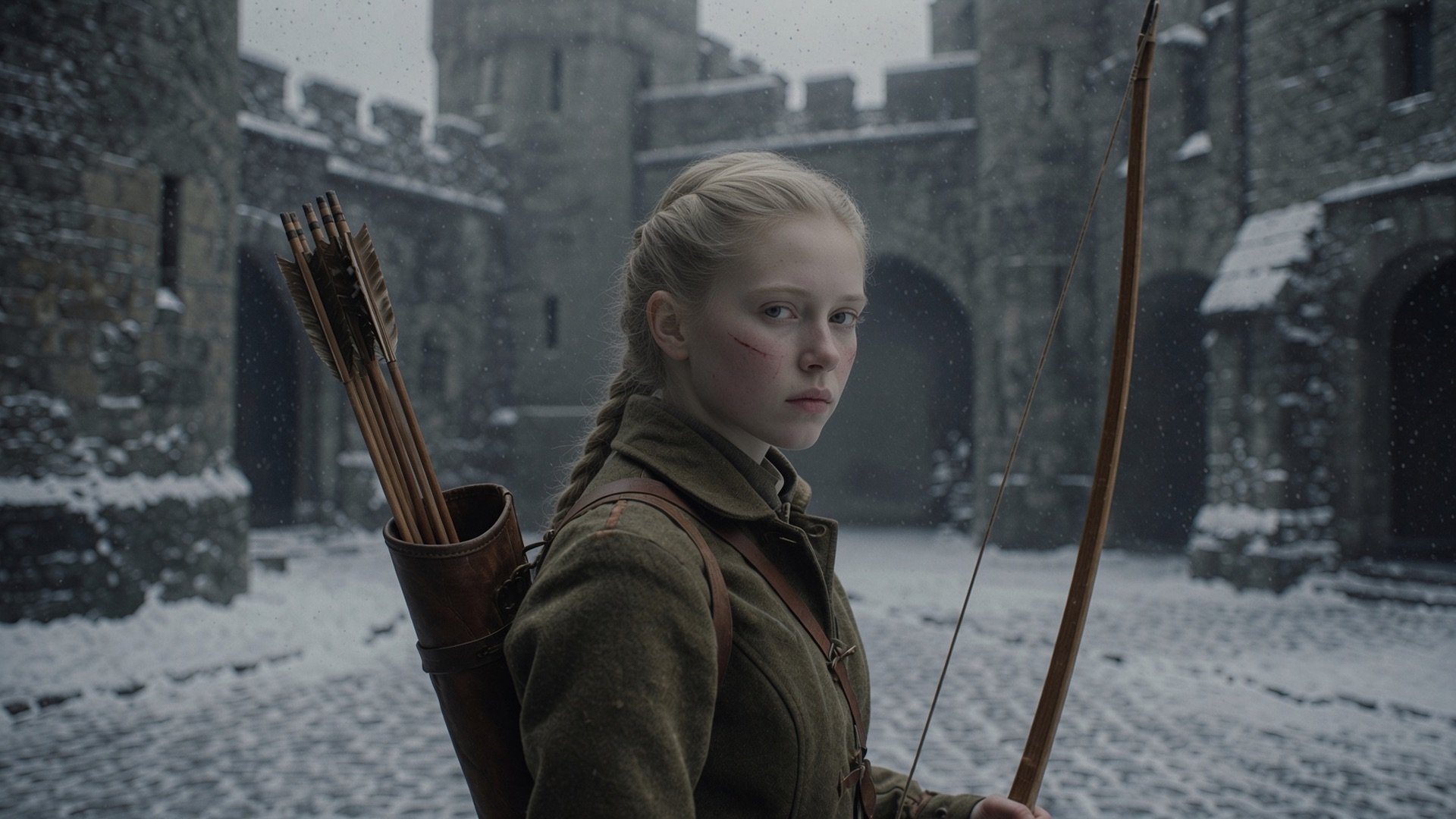
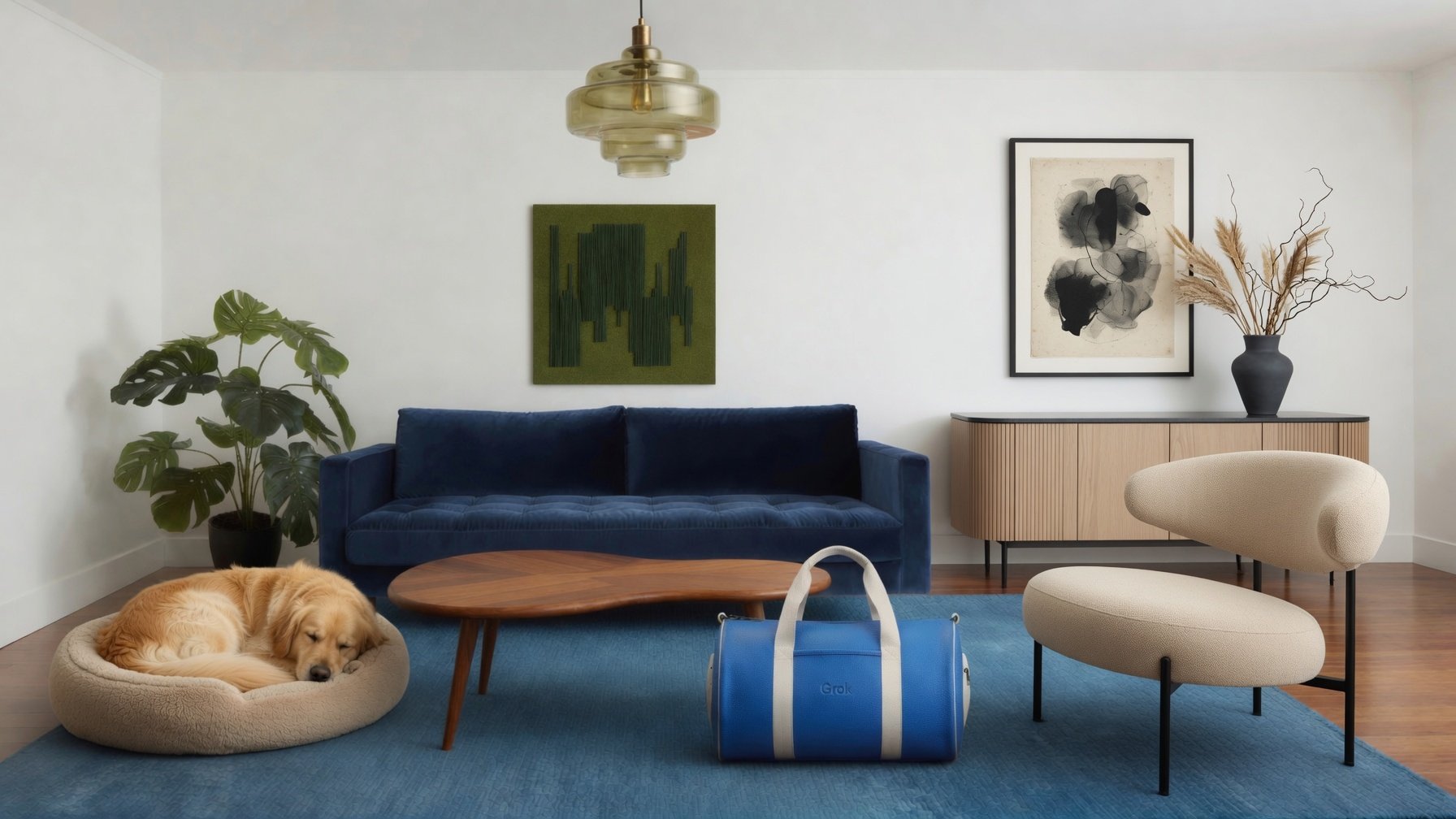
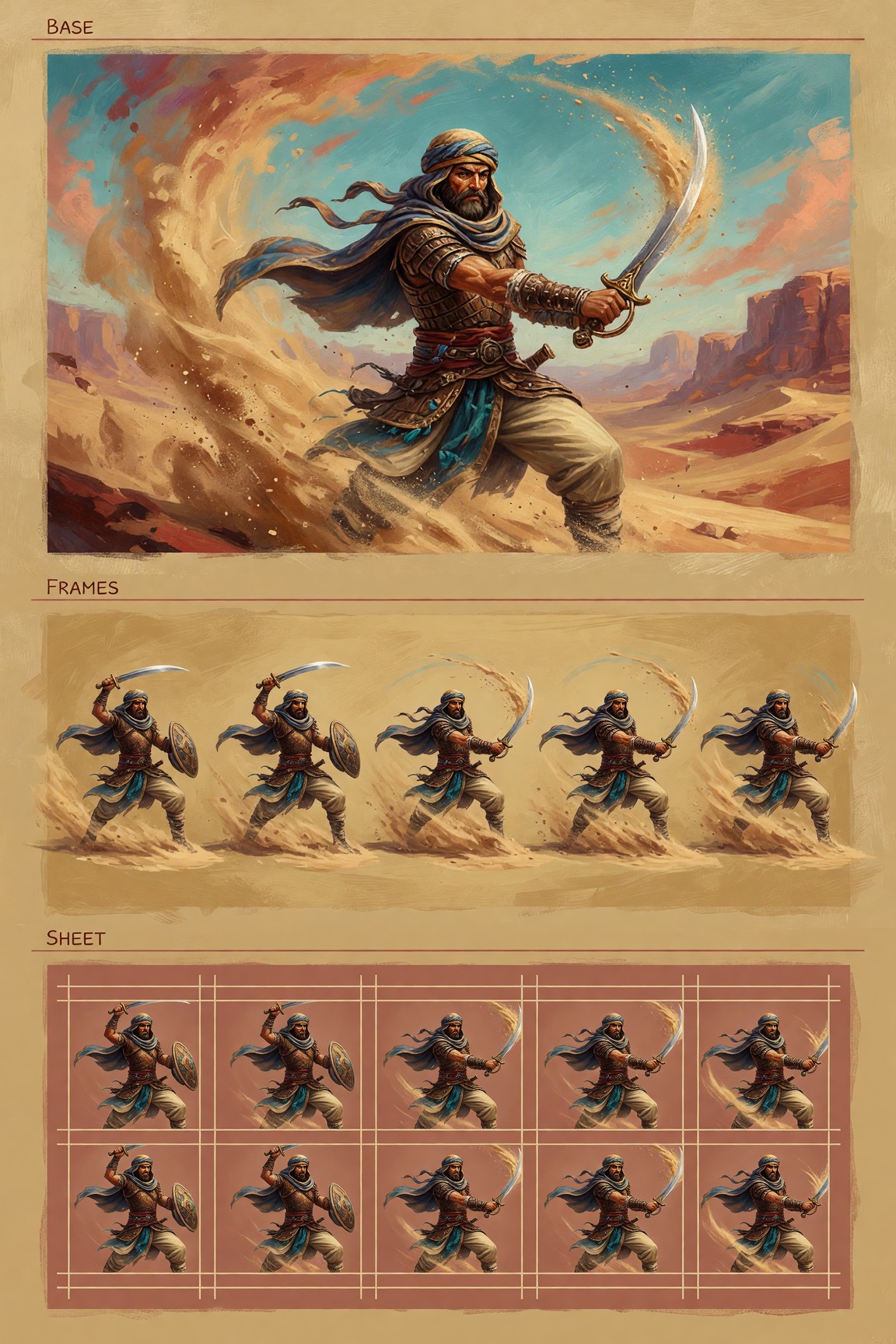
X AI's launch gallery emphasizes typography, layout, editing, multi-reference composition, smart resize, and reusable templates. The Character Sprite example is relevant to game-art teams because it makes silhouette, pose separation, scale, and background treatment easy to inspect. It is also a selected launch example produced under conditions that are not fully disclosed on the page.
Use official samples to understand the intended product surface and to design test categories. Do not use them to estimate average quality or failure rate. A fair internal test should include ordinary prompts, awkward aspect ratios, repeated characters, small text, localized text, transparent-background needs, and edits that must leave unselected regions unchanged.
For sprite or UI work, inspect the image at its actual in-game size. A large image can hide muddy edges, inconsistent object scale, or lettering that collapses after export. Record whether the output needs manual cleanup, not only whether it looks attractive in a full-screen review.
A Reproducible Model Evaluation Plan
Start with tasks that match delivered work rather than prompts chosen to flatter a model. A useful minimum set includes a new character, the same character in a second scene, a targeted costume edit, a text-bearing UI panel, an inventory or prop sheet, and a wide composition derived from a narrower reference. Keep the creative intent and acceptance rules fixed while allowing only documented syntax changes.
Generate enough candidates to reveal variance. Blind the provider name during review, randomize presentation order, and score outputs at the size where players will see them. Separate instruction following, composition, typography, identity consistency, edit preservation, artifact rate, and production cleanup instead of collapsing everything into one aesthetic score.
The final decision sheet should join quality with operations. Record latency, provider charge, number of references, retries, reviewer time, accepted-output rate, and reason for rejection. A medium-quality request can be cheaper in practice if it reduces retries; a low-quality request can remain the better choice for broad exploration. The correct result is a routing policy by task, not one winner for every image.
- Freeze a representative set of prompts, references, seeds where supported, and acceptance criteria.
- Run low first, promote only viable candidates to medium, and record retries per approved asset.
- Log the returned model plus usage.cost_in_usd_ticks so routing and spend can be audited.
- Test typography, recurring-character identity, local edits, aspect ratios, and five-image compositions separately.
- Recheck X AI pricing and Arena standings at publication, procurement, and major model-update time.
Choose a Quality Policy, Not a Permanent Winner
A practical default is low for broad ideation, medium for a short list of detail-sensitive or edit-sensitive jobs, and explicit settings everywhere a budget or regression comparison matters. Auto is convenient for interactive exploration, but it transfers control over the generation-versus-editing split to the service policy.
Teams migrating from the legacy quality slug should switch explicitly before November 2, verify the returned model, and compare accepted-output cost on their own tasks. Arena and official samples can narrow what to test. Only a reproducible internal sheet can show whether Grok Imagine Image 2.0 improves the work that actually ships.
Frequently asked questions
How much does Grok Imagine Image 2.0 cost?
Published output pricing runs from $0.04 for a 1K low image to $0.08 for a 2K medium image. Input images cost $0.01 each.
What does auto quality do?
As of September 20, 2026, auto uses low for image generation and medium for image editing. Because auto is a service policy, explicit quality is better for reproducible budgets.
Do I need to change my API request?
X AI says the generation and editing request shapes remain unchanged. You should still update the model slug, set quality explicitly, and log the returned model.
Does the Arena rank prove it is best for game art?
No. It is broad preference evidence from a dated prompt pool. A production decision still needs tests for your art direction, character consistency, text, edits, latency, and approval rate.
Should I use low or medium quality?
Use low to explore composition and prompt direction cheaply. Promote selected candidates to medium when typography, faces, surface detail, or edit fidelity changes whether the asset will be approved.
What should a migration test measure?
Measure instruction following, identity consistency, typography, edit preservation, artifacts, latency, retries, reviewer time, and cost per accepted asset. Keep prompts and acceptance rules stable so the comparison can be repeated.
Sources and further reading
- X AI Image 2.0 migration guide
Retirement date, compatibility behavior, quality settings, and dated Arena references.
- X AI Grok Imagine Image 2.0 model page
Current model availability, rate limit, and pricing details.
- X AI API pricing
Official output price matrix and input-image charge; checked September 20, 2026.
- X AI Imagine Image 2.0 launch
Product examples and Arena snapshot dated August 7, 2026.
- X AI cost tracking
Usage and cost fields available in API responses.
- Arena Text-to-Image leaderboard
Official live leaderboard; screenshot captured September 22, 2026 from board data dated September 8, 2026.
Next step