Tower defense strategy begins before the first enemy moves. The preparation phase is where you read the lanes, decide which roles the map needs, and reserve enough flexibility to respond when the wave composition changes.
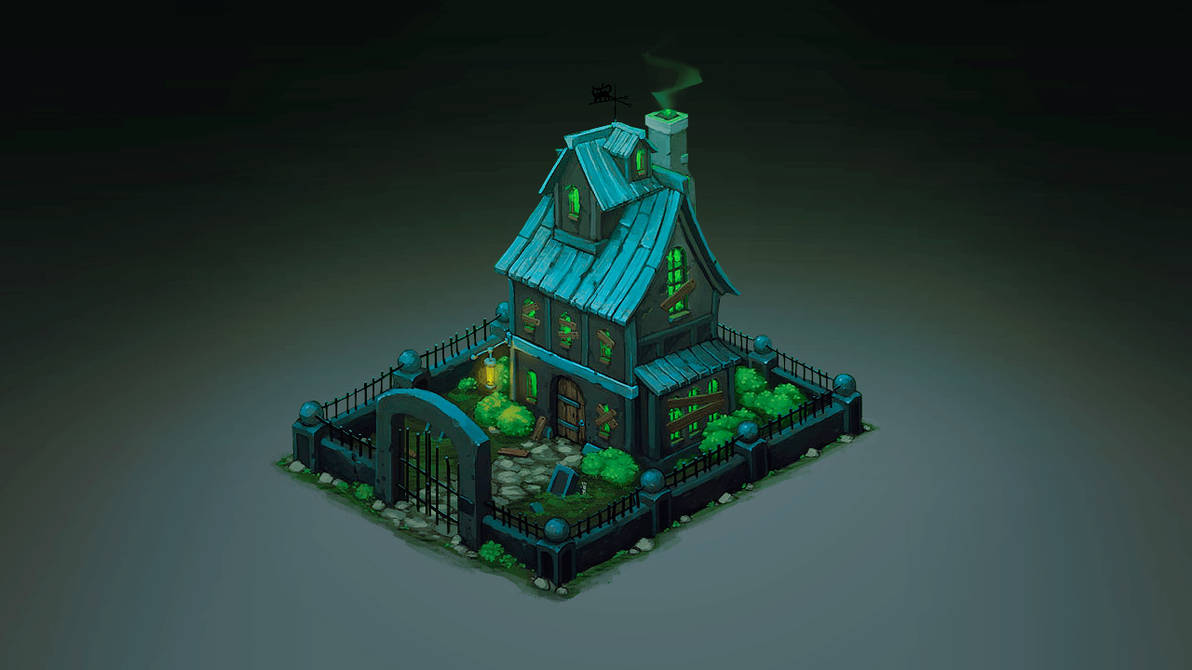
Pirates Begone! makes those decisions visible across a 3D hex island. Each coastal level contains ten waves, and the player combines towers with real-time control of the Blade Knight, Meteor, Freeze, an active skill, and an ultimate.
This guide uses that structure to explain a broader beginner habit: solve the route first, the enemy role second, and the damage total third. Raw firepower helps only when it reaches the right target for long enough.
Quick read
Key takeaways
- Preview enemy count, threat, rewards, and active lanes before spending preparation gold.
- Build a role mix—focused damage, area coverage, slowing, blocking, income, and chain pressure—instead of copying one tower everywhere.
- Use the hero as a movable reserve that supports weak routes rather than replacing the whole defense.
- Spend run gold for the current battle and treat campaign gems or persistent upgrades as preparation for later levels.
Tower Defense Strategy Starts With the Wave Preview
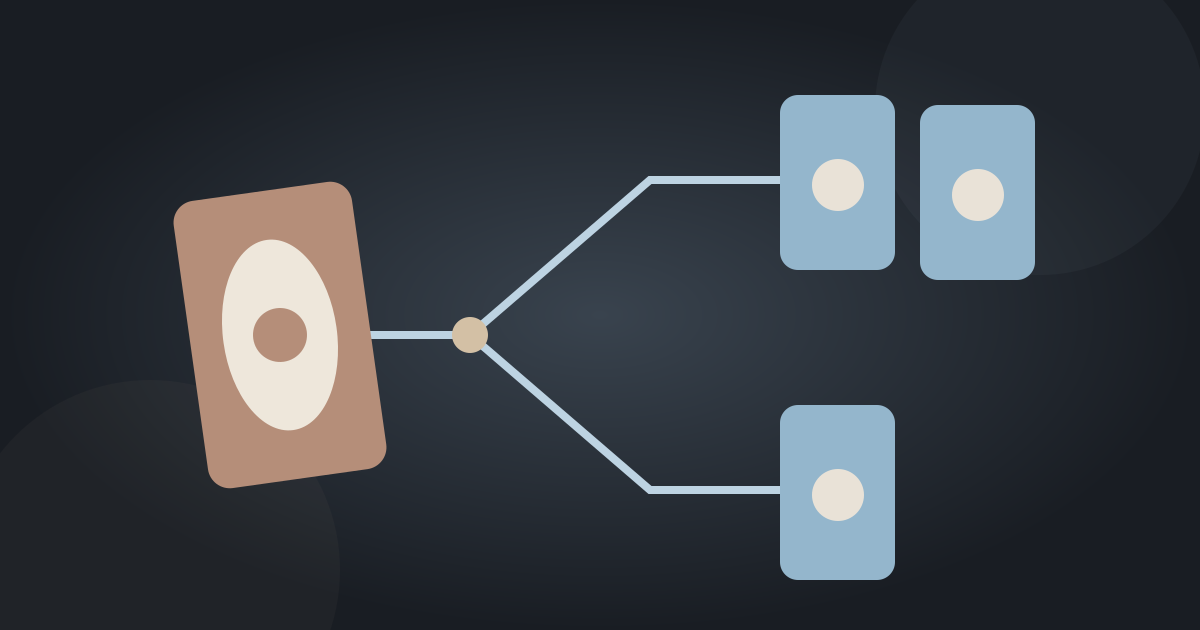
Before placing anything, identify which routes are active and where they overlap. A position that reaches two lanes or a long shared path usually creates more opportunities to attack than a placement near one entrance.
Then read enemy count and threat. A large group asks for area pressure and time control; a smaller group of durable targets may need concentrated damage. Boss waves require room for continued smaller spawns, not just a single target plan.
| Preview signal | Question to ask | Preparation response |
|---|---|---|
| One active lane | Where is its longest covered route? | Build a compact core with overlapping reach |
| Multiple lanes | Where can coverage be shared? | Anchor the intersection, then patch the weaker branch |
| High enemy count | Can the defense affect groups? | Add area, slowing, blocking, or chain pressure |
| High threat or boss | What creates a safe damage window? | Preserve focused damage, hero access, and active abilities |
| Large reward | Can this wave fund the next transition? | Avoid overspending before the payout arrives |
Build Tower Roles, Not a Wall of Identical Upgrades
Pirates Begone! lists Arrow, Cannon, Ice, Water Curtain Wall, Mine, and an unlockable Tesla defense. The important beginner lesson is not memorizing one universal build order; it is making sure the current setup covers the roles needed by the current routes.
Focused damage removes durable targets. Area or chain pressure handles density. Slowing and blocking create more attack time. Income or economy effects accelerate later choices. A balanced defense can fail gracefully when the wave differs from the forecast; a single-role defense has one answer and one obvious weakness.
- Start with enough damage to clear the first route.
- Add time control when enemies leave coverage too quickly.
- Add area or chain pressure when groups begin to stack.
- Upgrade strong shared positions before isolated placements.
- Keep one purchase in reserve when a new lane or enemy role may appear.
Lessons From Bloons TD 6 and Kingdom Rush
Bloons TD 6 is a strong reference for role combinations. Its official Steam listing emphasizes heroes, many tower types, and multiple upgrade paths; the practical lesson is to build a team of answers instead of repeating one favorite tower. Pirates Begone! applies the same idea on a smaller browser board with direct damage, area pressure, slow, block, economy, and chain effects.
Kingdom Rush is the better comparison for movable support. Ironhide's official page highlights towers, reinforcements, spells, and specialized upgrades. That reinforces a useful beginner pattern here: let fixed defenses own the route, then use the Blade Knight and active abilities to repair the lane that changes unexpectedly.
Use the Hero as a Movable Strategic Reserve
A fixed tower cannot leave a quiet lane. The Blade Knight can move toward the route where the plan is failing, attack in real time, and apply active abilities where the defense needs temporary help.
Move early. If the hero starts traveling only after enemies pass the final tower, the reserve arrives too late. Watch the weak lane during the opening part of the wave and reposition before the gap becomes an emergency.
Meteor and Freeze are most valuable when they protect a decision: stopping a leak, creating a boss damage window, or stabilizing a crowded intersection. Using every ability as soon as it becomes available can leave nothing for the moment the static defense cannot solve.
Spend Gold on the Current Bottleneck
Run gold can build a new defense or strengthen an existing one. Choose by the current bottleneck. If a route has no coverage, add a placement. If the core already sees the enemies but cannot finish them, upgrade the role doing the necessary work.
Do not upgrade because a tower is familiar or because it already has the highest level. An upgrade is efficient only when it changes the result of the next wave: more enemies cleared, more time created, or a dangerous target removed before the keep.
Defeated enemies and cleared waves add more gold, while victory gems and mother-island growth support later campaign levels. Keep the economies mentally separate so long-term progress does not distract from the immediate ten-wave defense.
Plan a Ten-Wave Defense in Three Phases
This three-phase plan is intentionally flexible. The exact transition depends on the level, but the questions remain stable: Is every active route covered? Does the defense create enough time? Which threat ends the run if nothing changes?
| Phase | Primary goal | What to watch | Common overreaction |
|---|---|---|---|
| Opening waves | Establish reliable lane coverage | Route length, early leaks, gold pace | Buying every tower type immediately |
| Middle waves | Add the missing control or group role | New lanes, density, tougher formations | Upgrading one isolated tower repeatedly |
| Final waves | Preserve boss damage and recovery tools | Continuing spawns, hero position, keep HP | Chasing the boss while smaller enemies leak |
Six Tower Defense Mistakes Beginners Can Fix
- Building at the entrance without checking whether a later tile covers more route length.
- Using one defense type for damage, groups, and control even after its weakness is visible.
- Spending all gold before the wave preview reveals a second active lane.
- Moving the hero only after enemies have already left the main coverage area.
- Using every active ability early and entering the boss phase without a recovery tool.
- Focusing on the boss while smaller enemies continue toward the keep.
A Beginner Checklist for Every New Wave
Repeat the checklist until the decisions become automatic. It works as a compact reading order for Pirates Begone! and as a general habit across strategy games with visible waves and routes.
- Read active lanes, enemy count, threat, and reward.
- Find the route with the least useful coverage.
- Name the missing role: damage, area, slow, block, economy, or chain pressure.
- Place or upgrade only if it addresses that role.
- Move the hero toward the likely weak point before launching.
- Keep at least one ability or reserve option for an unexpected leak.
Frequently asked questions
What is the best tower defense strategy for beginners?
Preview the active routes, build overlapping coverage, and add a mix of damage and time-control roles. Keep some gold or an active ability in reserve so the defense can adapt when the next wave changes.
Where should I place towers first?
Look for positions that cover a long route, an intersection, or more than one active lane. A shared position usually produces more attack opportunities than an isolated tile close to one entrance.
Is it better to build more towers or upgrade existing ones?
Build when a route or role is missing; upgrade when the current placement already reaches the right enemies but lacks enough effect. The wave's bottleneck should decide, not a fixed build rule.
Why should I mix tower types?
Different roles solve different pressures. Focused damage handles durable targets, area and chain effects handle groups, and slowing or blocking creates more time for the whole defense to work.
How should I use a hero in a tower defense game?
Treat the hero as a movable reserve. Position the hero near the lane most likely to fail, move before the leak becomes critical, and save active abilities for moments the fixed defense cannot cover.
When should I use Freeze or Meteor in Pirates Begone!?
Use them to protect a specific outcome, such as stopping a leak, stabilizing a crowded lane, or opening a boss damage window. Avoid spending every ability early if the final wave still needs a recovery tool.
How do I prepare for a tower defense boss wave?
Preserve focused damage, hero access, and at least one control or recovery ability. Keep clearing smaller enemies as they spawn so the boss does not distract you from leaks reaching the keep.
What should I change after losing a wave?
Identify the first failure, not the final defeat. Note which lane leaked, which enemy role survived, whether the hero arrived late, and whether an unused or mistimed resource could address that exact moment.
Sources and further reading
- Pirates Begone! official game guide
Official ten-wave, tower, Blade Knight, ability, economy, campaign, and quick-tip details.
- Elseland strategy games collection
Current strategy-game category and related published games.
- Elseland game library
Current browser game catalog used for genre and next-game context.
- Steam — Bloons TD 6
Official platform listing used for the tower-role and upgrade-path comparison.
- Ironhide — Kingdom Rush
Developer-owned page for towers, upgrades, reinforcements, spells, and enemies.
Next step