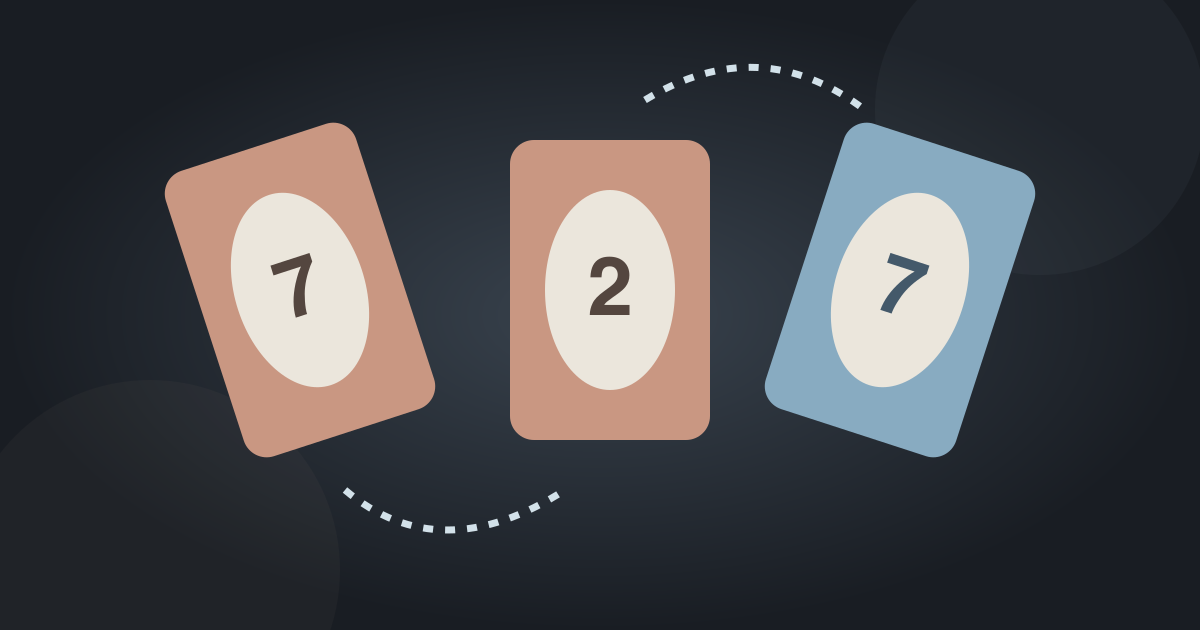
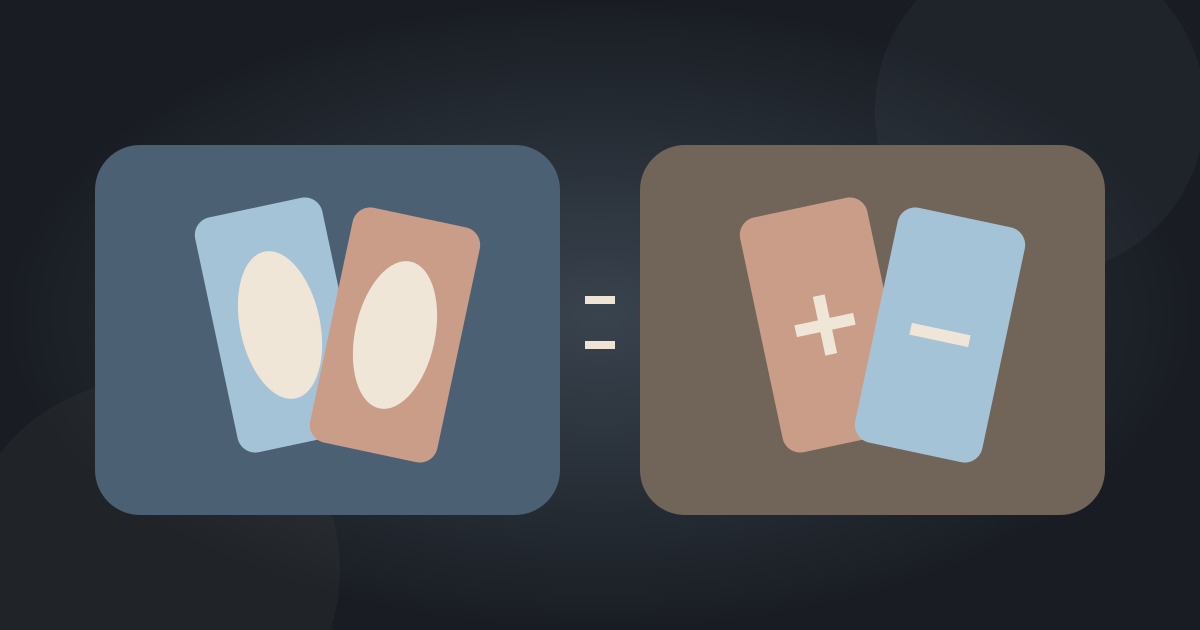
ZAP vs UNO is a useful comparison if color-and-number matching already feels familiar. Both have a race to empty the hand, but familiar visuals do not establish an identical ruleset. The clearest documented differences here concern drawing and the way you declare one remaining card. Verify everything else in the version you actually play.
ZAP vs UNO: compare the documented core
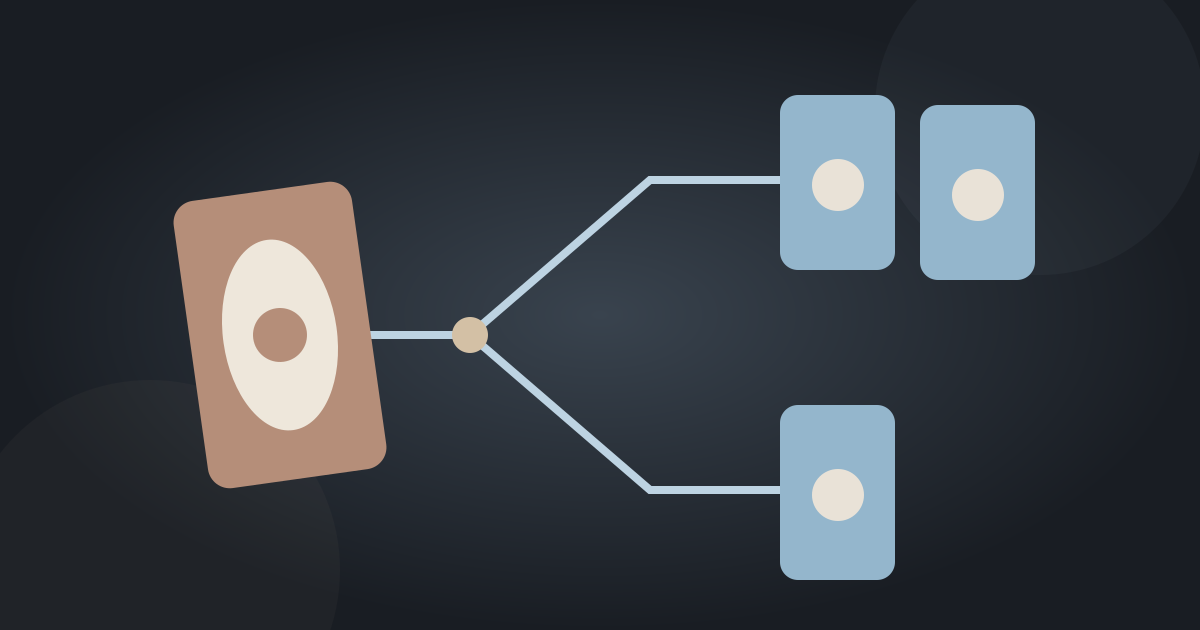
The ZAP distributor guide describes matching by color or number and drawing until a playable card is obtained when blocked. Mattel’s standard UNO instructions describe their own draw, action-card, and declaration rules. Compare the documents rather than a remembered family convention.
| Rule | ZAP documentation | Standard UNO documentation |
|---|---|---|
| Ordinary matching | Color or number | Color, number, or symbol; Wild rules also apply |
| Blocked hand | Draw until a usable card is obtained | Draw one; a usable drawn card may be played |
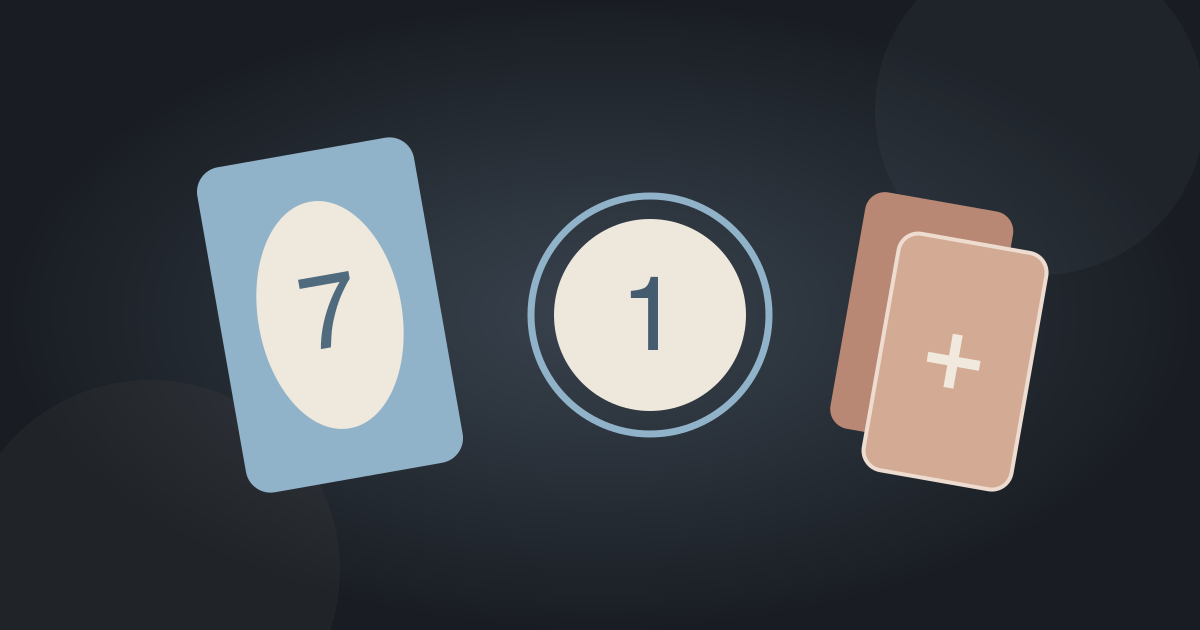
| One card remains | Press “1” immediately | Call “UNO” |
| Missed declaration | Two-card penalty stated; timing details unspecified | Two cards if caught before the next player begins the turn |
| Special cards | Effects not specified in the cited guide | Defined in the standard rule sheet |
UNO’s tabletop history does not establish ZAP’s lineage
Mattel’s 50th-anniversary account traces UNO to a Cincinnati barbershop in 1971 and describes its later card and digital forms. That history helps explain why players bring a familiar matching vocabulary to other hand-clearing games. It also describes variants, which is a reason to check the particular edition rather than assume one universal experience.
The ZAP distributor listing gives a May 2025 release date. Treat that as a listing date for the distributed game, not proof of its original invention, licensing, or a relationship with Mattel. Similar mechanics do not establish shared ownership or an official adaptation. This comparison is about documented play, not a claim about lineage.
Keep the matching habit, relearn the draw routine
Scanning the top card’s color and number transfers well as a reading habit. The draw routine does not transfer automatically. In particular, ZAP’s published draw-until-playable instruction differs from the standard UNO draw-one procedure.
If you have played with repeated draws at a family table, that memory may resemble ZAP more than standard UNO. It still does not establish the rest of ZAP’s rules. The relevant evidence is the current game instruction, not the rule you used most recently elsewhere.
The same blocked position produces a different procedure
Use an invented ordinary-card position: blue 4 is on top; you hold red 2 and yellow 5; the next drawn card is red 9. It matches neither property. Under ZAP’s published instruction, you continue drawing until usable. Under the cited standard UNO sheet, that unusable single draw means play moves to the next person.
If the first drawn card instead matches, the standard UNO sheet permits playing that drawn card in the same turn. ZAP’s guide supplies its own draw-until-usable instruction; follow its current prompts. The example compares procedures, not the deck or draw odds. It shows why importing “just draw once” into ZAP can produce confusion even though the initial matching scan looks familiar.
A button and a spoken declaration are different interfaces
ZAP specifies pressing “1” immediately when one card remains. Standard tabletop UNO specifies calling “UNO,” with the penalty window defined in its rule sheet. Do not assume speaking into a microphone substitutes for the ZAP control.
Likewise, the ZAP source does not document the same catch-before-next-turn procedure. Learn the visible control early and use the stated immediate declaration. A website translation changes the guide around the game, not necessarily the embedded interface.
Do not import stacking, challenges, or deck counts
Mattel’s rule sheet defines special-card behavior for standard UNO. That evidence does not establish ZAP’s deck, card effects, challenge options, scoring target, or house-rule modes. A similar icon is not enough to copy a restriction from another product.
Read ZAP’s in-game help where available. If a mechanic is undocumented, leave it unresolved rather than promising identical Reverse, Skip, Wild Draw Four, or stacking behavior. UNO-branded variants also need their own instructions; the standard sheet is not a universal rulebook for every edition.
Name the edition and the rule before debating it
At a physical card table, one person may remember draw-card stacking while another remembers a different printed rule. Before starting, identify the edition, read its instructions, and agree on any house rules separately. Mattel’s cited sheet distinguishes its standard play from named house-rule options. A household convention is not evidence that a digital implementation includes a toggle for it.
For ZAP, use the current in-game help where available and keep unresolved special-card behavior unresolved. When describing a difference, say which product and rule document you mean. “UNO always works this way” is less precise than “the standard sheet cited here specifies this procedure.”
Which experience should you choose?
Choose a ZAP browser session when you want to try its accessible digital hand-clearing format and are willing to learn the current prompts. Choose a particular UNO edition when you specifically want that product’s defined cards and rules; verify the exact tabletop or digital version.
For the first ZAP round, keep only three transferable ideas: scan the top card, compare legal ordinary matches, and watch your hand count. Relearn drawing and the “1” routine from ZAP itself. This keeps familiarity useful without turning it into an unsupported rules claim.
Choose the social format as well as the rules
A tabletop session lets a group read the same physical cards, discuss a house rule, and make spoken declarations. A browser implementation supplies its own controls and automated rule handling. These are format differences, not proof of ZAP’s matchmaking mode, the identity of its opponents, or the availability of a private room. Check those features before planning a group activity.
A localized article can help you understand the rules without translating the embedded game. If you want to share a first ZAP session with someone familiar with UNO, explain the draw routine and “1” control first. Keep ordinary color-and-number scanning as the familiar part, then relearn every version-specific action. That is a safer transfer of knowledge than promising identical play.
Next step