The ideal break game has a small setup cost and a clean exit. You should be able to understand the board, make a few meaningful decisions, and stop at the end of a round without losing a thirty-minute campaign.
Elseland's puzzle collection spans falling blocks, Sudoku, tile trays, sorting, merging, and 3D object matching. That variety matters because a puzzle that feels calming to one player can feel like work to another.
The list below starts with the strongest all-around short-break fits, then moves toward games that benefit from a slightly longer or more focused session.
Quick read
Key takeaways
- Choose a five-minute score run when the end of your break is fixed.
- Sudoku and sorting suit calm focus; falling blocks and timed orders create more pressure.
- 3D matching is easier on a screen where you can rotate the board precisely.
- Stop after a level or grid, not after an arbitrary clock alarm in the middle of a decision.
Quick Puzzle Games Compared by Break Type
Use this table as a starting point, then read the individual pick before opening a game. Session labels describe the kind of play the game supports, not a guaranteed finish time.
| Pick | Best for | Session fit | Main consideration |
|---|---|---|---|
| Diamond Blast | a colorful mental reset | 5-minute rounds | high-score retries can make the session longer than planned |
| Garden Sudoku | quiet deductive focus | 7-minute grid sessions | a difficult grid may not reach a satisfying stop within a very short break |
| Hexa Blast | spatial planning | 6-minute board sessions | one poor placement can constrain several later turns |
| Crypto Mahjong: Cyber City | tile scanning and tray control | 5-minute runs | speculative selections quickly consume the small tray |
| Tetris Out | energizing pattern recognition | 5-minute score runs | rising speed is stimulating rather than relaxing |
| Cube Out | compact 3D logic | 6-minute levels | camera movement can be less comfortable on a small screen |
| Fruit Farm Frenzy | projectile-path planning | short aiming sessions | animal combat and limited ammunition are different from a calm sorting puzzle |
| Crystal Energy Merge | relaxed organization | 6-minute merge sessions | several unfinished pairs can make the board feel cluttered |
| Emoji Cube Match 3D | a deeper spatial challenge | 8-minute levels | later levels need more sustained attention than a quick desk break |
| Road to Trillionaire | object searching with progression | 8-minute stages | the progression theme can encourage one more stage after the break ends |
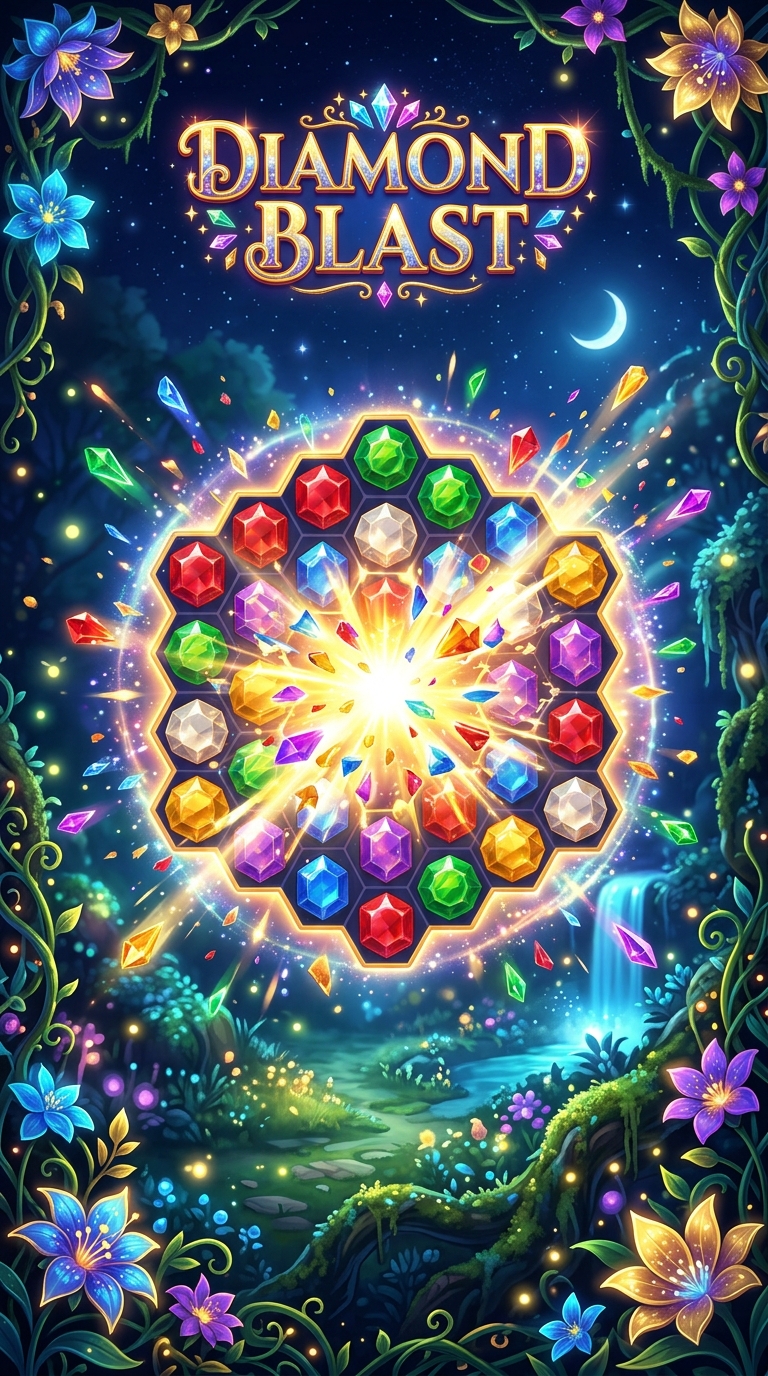
1. Diamond Blast
Diamond Blast is number 1 because linked gems and chain reactions deliver fast feedback with little setup. It is best for a colorful mental reset, with a typical fit of 5-minute rounds.
Prefer a move that opens space or creates a follow-up chain rather than taking the smallest visible link immediately. Keep in mind that high-score retries can make the session longer than planned. Choose it when that trade-off matches your available time, preferred pace, and device.
- Best for: a colorful mental reset.
- Session fit: 5-minute rounds.
- Know before playing: high-score retries can make the session longer than planned.
2. Garden Sudoku
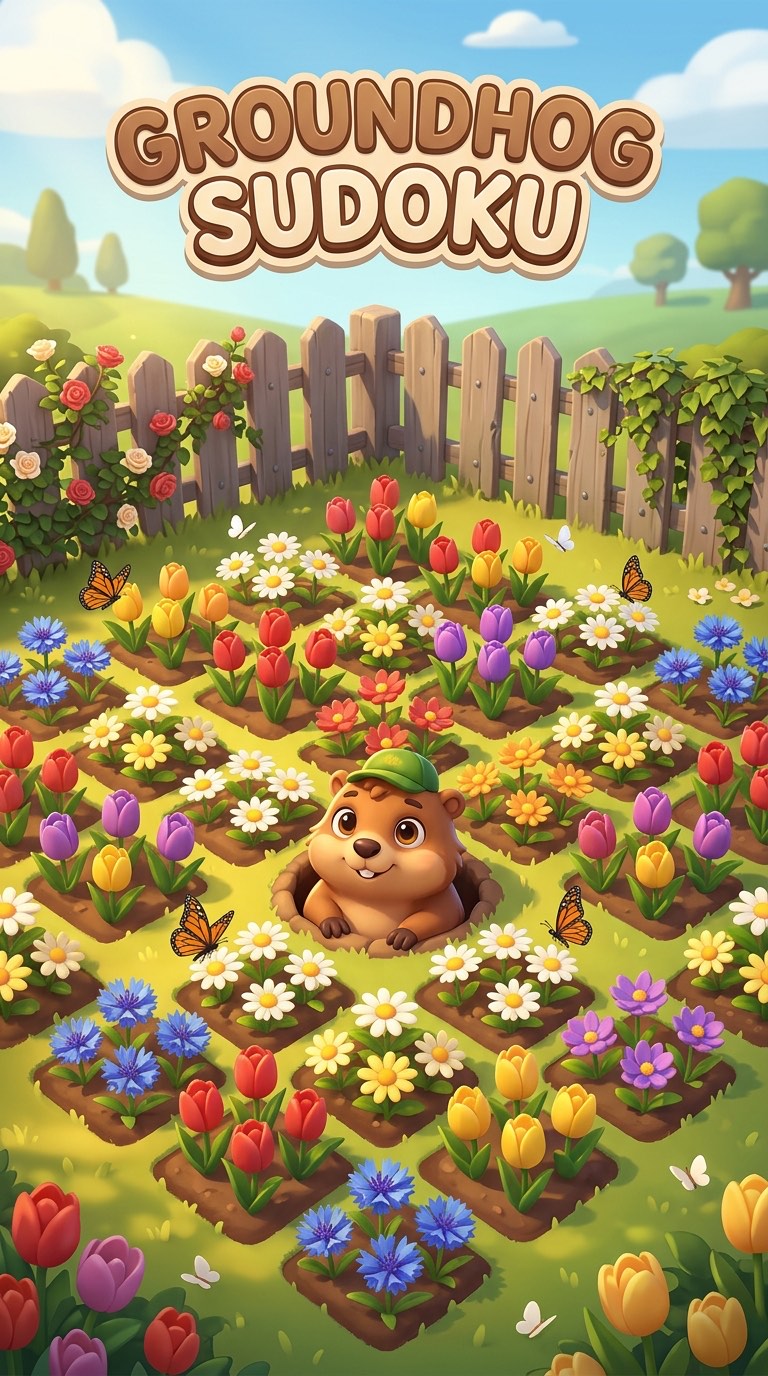
Garden Sudoku is number 2 because the familiar no-repeat rule creates concentration without timing pressure. It is best for quiet deductive focus, with a typical fit of 7-minute grid sessions.
Find the row, column, or region with the fewest empty cells and enter only values you can justify. Keep in mind that a difficult grid may not reach a satisfying stop within a very short break. Choose it when that trade-off matches your available time, preferred pace, and device.
- Best for: quiet deductive focus.
- Session fit: 7-minute grid sessions.
- Know before playing: a difficult grid may not reach a satisfying stop within a very short break.
3. Hexa Blast
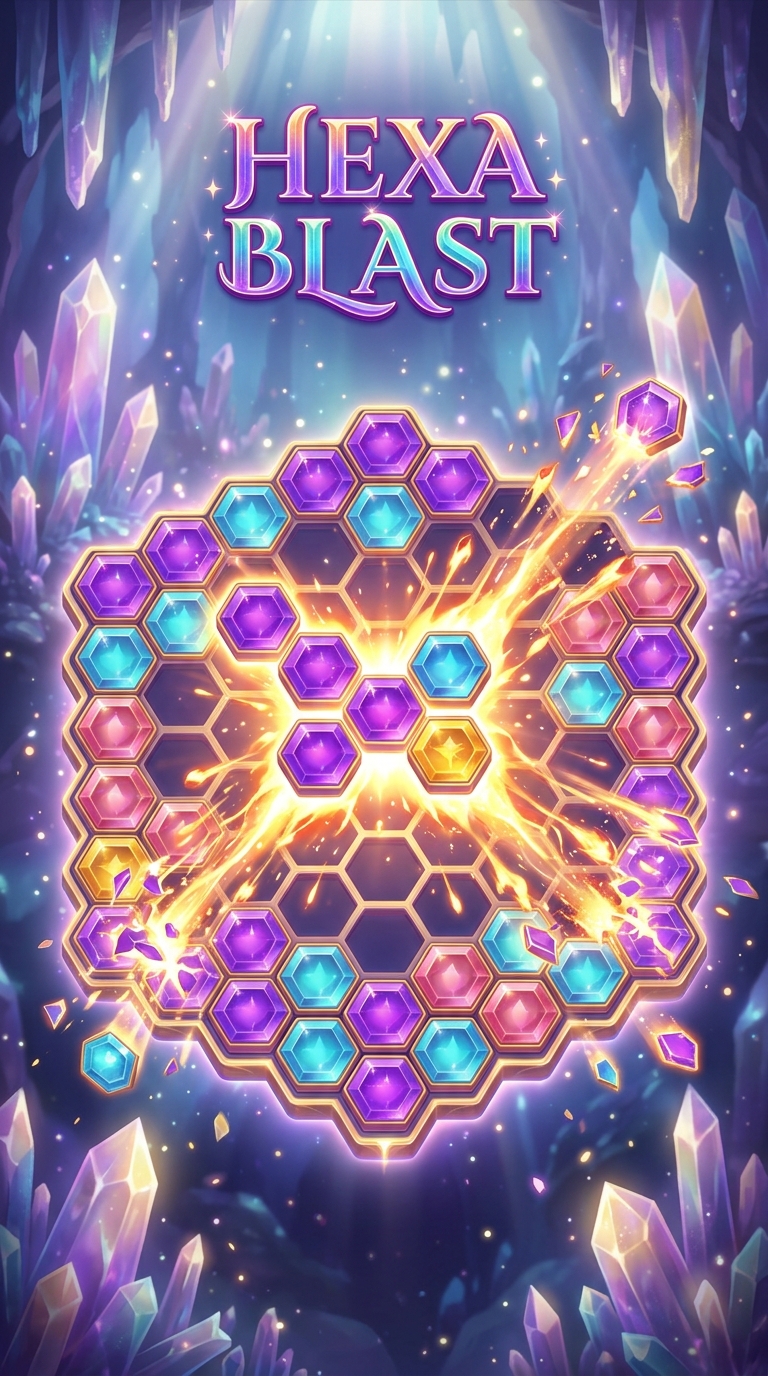
Hexa Blast is number 3 because fitting hex tiles turns open space into the central resource and makes every placement visible. It is best for spatial planning, with a typical fit of 6-minute board sessions.
Protect flexible open areas, use awkward pieces early, and avoid creating isolated gaps no future shape can fill. Keep in mind that one poor placement can constrain several later turns. Choose it when that trade-off matches your available time, preferred pace, and device.
- Best for: spatial planning.
- Session fit: 6-minute board sessions.
- Know before playing: one poor placement can constrain several later turns.
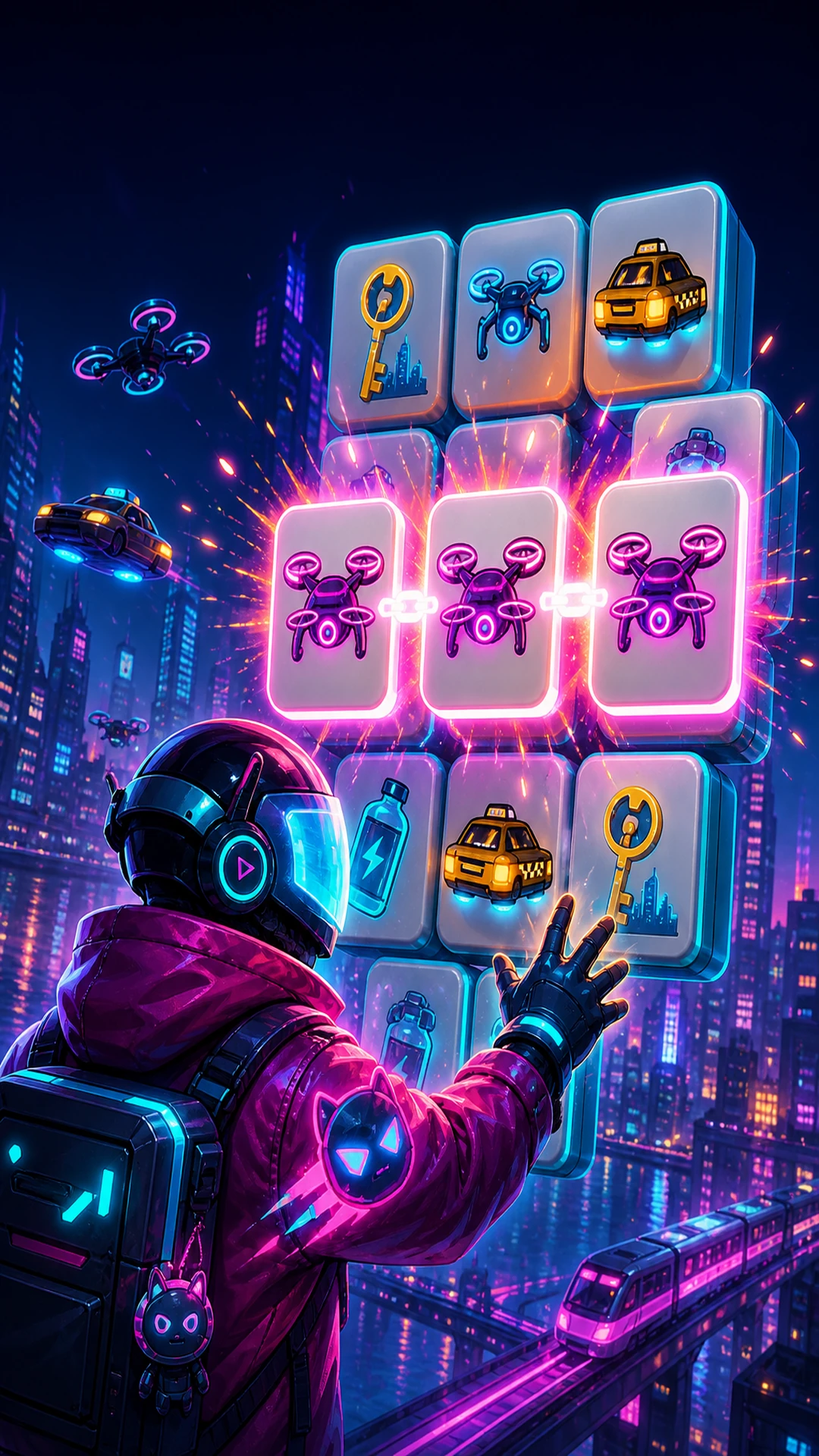
4. Crypto Mahjong: Cyber City
Crypto Mahjong: Cyber City is number 4 because sets of three and a five-slot tray create compact decisions with a natural round structure. It is best for tile scanning and tray control, with a typical fit of 5-minute runs.
Identify all three accessible copies before selecting, and clear tiles that uncover the largest number of new options. Keep in mind that speculative selections quickly consume the small tray. Choose it when that trade-off matches your available time, preferred pace, and device.
- Best for: tile scanning and tray control.
- Session fit: 5-minute runs.
- Know before playing: speculative selections quickly consume the small tray.
5. Tetris Out
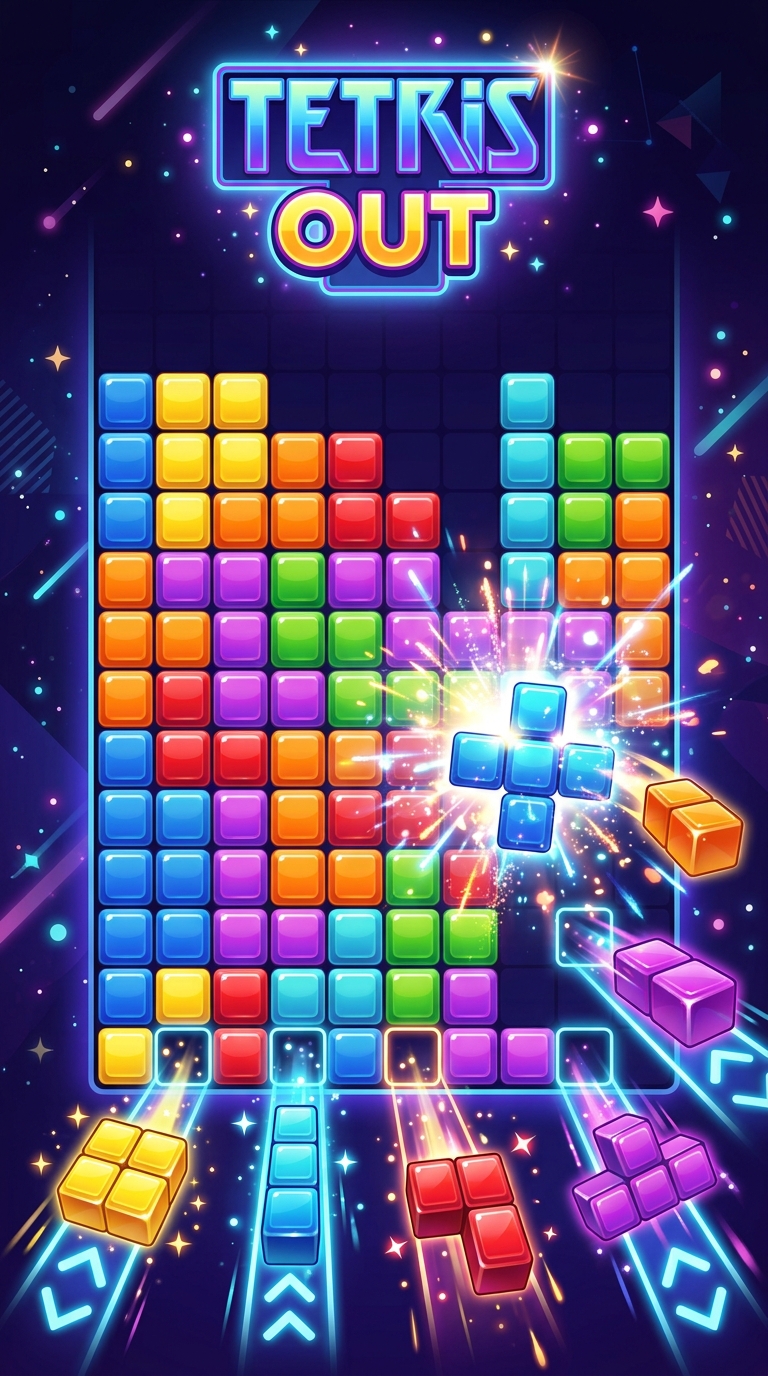
Tetris Out is number 5 because the rules are immediate and every placement creates a new spatial problem. It is best for energizing pattern recognition, with a typical fit of 5-minute score runs.
Build evenly, preserve a recovery lane, and accept a small clear when waiting for a perfect piece would raise the stack. Keep in mind that rising speed is stimulating rather than relaxing. Choose it when that trade-off matches your available time, preferred pace, and device.
- Best for: energizing pattern recognition.
- Session fit: 5-minute score runs.
- Know before playing: rising speed is stimulating rather than relaxing.
6. Cube Out
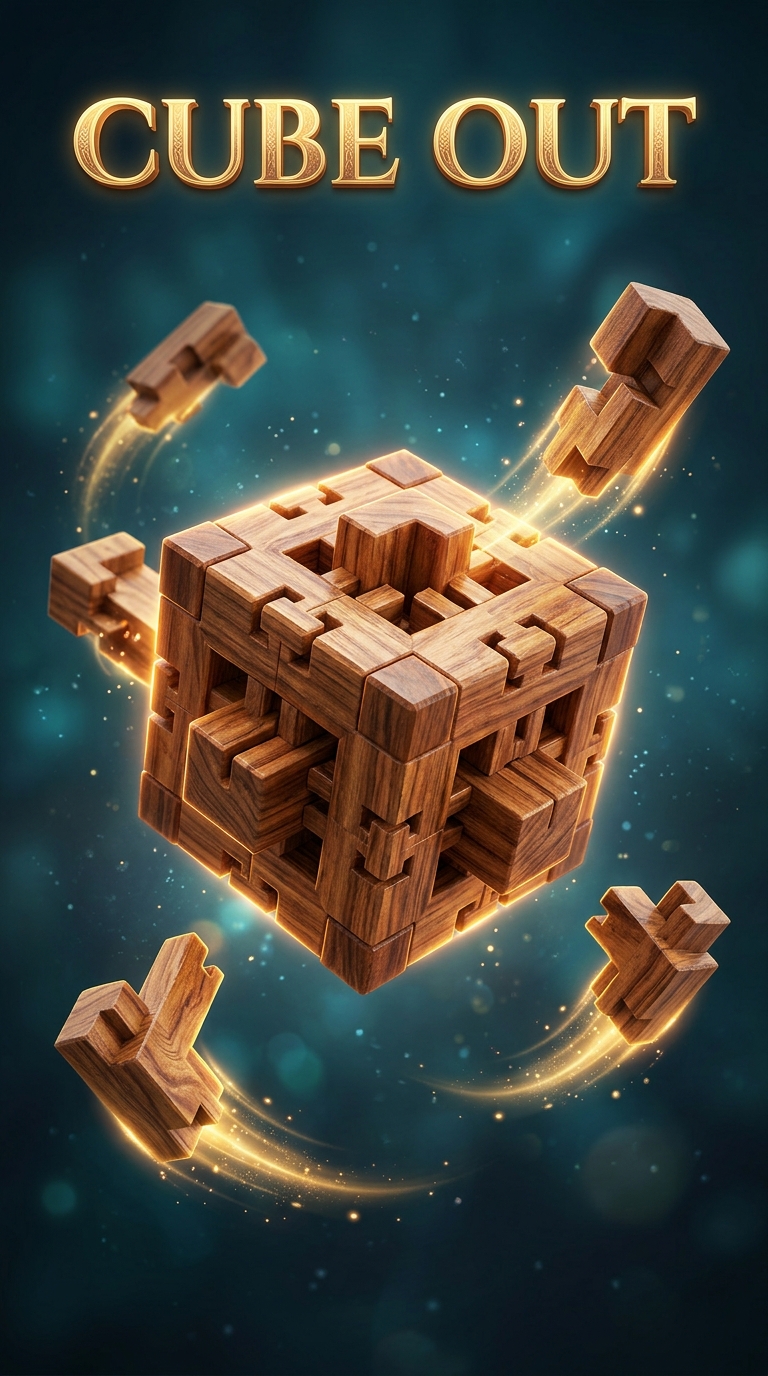
Cube Out is number 6 because matching cube faces adds spatial reading without turning the level into a long commitment. It is best for compact 3D logic, with a typical fit of 6-minute levels.
Inspect the visible faces, rotate deliberately, and choose a match that exposes useful new surfaces. Keep in mind that camera movement can be less comfortable on a small screen. Choose it when that trade-off matches your available time, preferred pace, and device.
- Best for: compact 3D logic.
- Session fit: 6-minute levels.
- Know before playing: camera movement can be less comfortable on a small screen.
7. Fruit Farm Frenzy
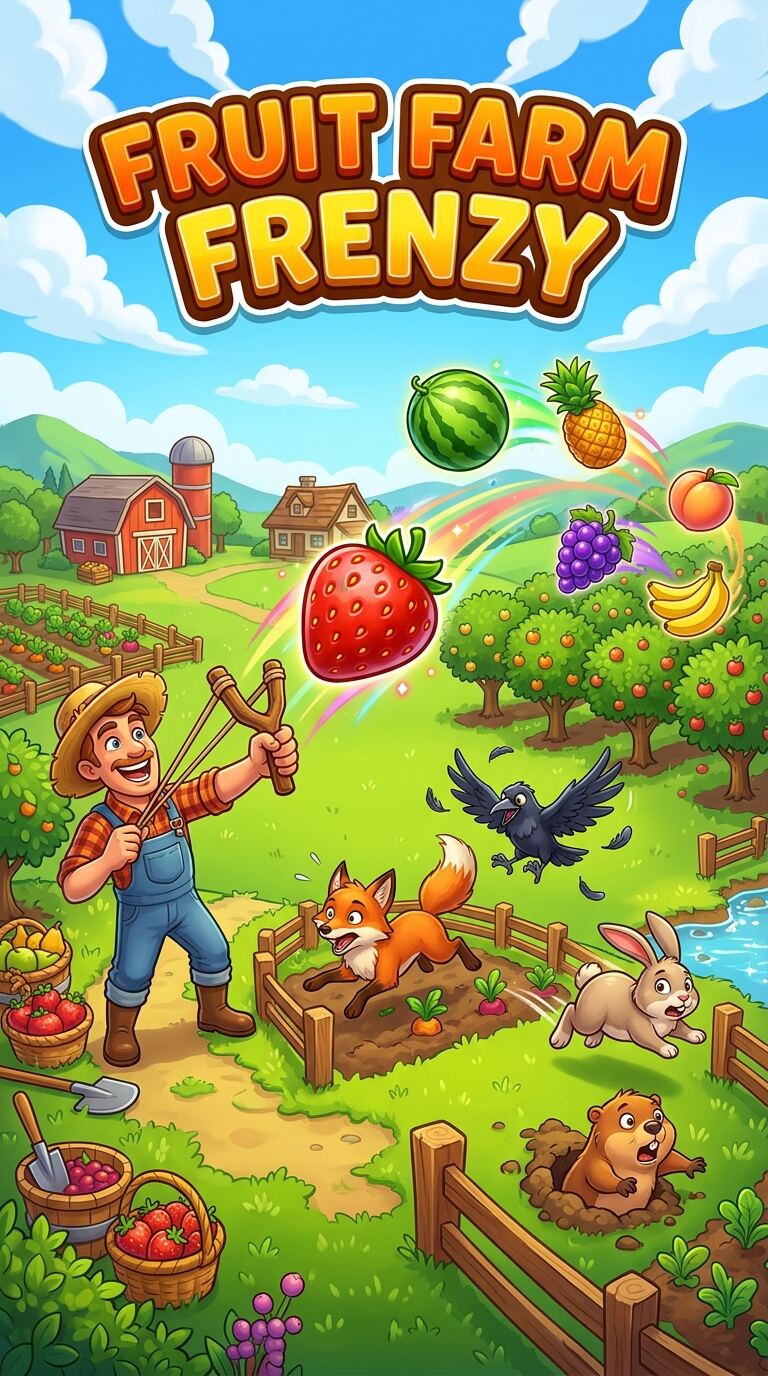
Fruit Farm Frenzy is number 7 because angles, obstacles and fruit effects add an aiming puzzle to an orchard-defense shooting game. It is best for projectile-path planning, with a typical fit of short aiming sessions.
Compare a direct shot with a rebound path, then launch the selected fruit at animal targets and inspect the result. Keep in mind that animal combat and limited ammunition are different from a calm sorting puzzle. Choose it when that trade-off matches your available time, preferred pace, and device.
- Best for: projectile-path planning.
- Session fit: short aiming sessions.
- Know before playing: animal combat and limited ammunition are different from a calm sorting puzzle.
8. Crystal Energy Merge
Crystal Energy Merge is number 8 because exact-pair evolution and clear visual tiers reward orderly planning. It is best for relaxed organization, with a typical fit of 6-minute merge sessions.
Keep matching shapes and levels near each other, finish active chains, and create room before beginning another family. Keep in mind that several unfinished pairs can make the board feel cluttered. Choose it when that trade-off matches your available time, preferred pace, and device.
- Best for: relaxed organization.
- Session fit: 6-minute merge sessions.
- Know before playing: several unfinished pairs can make the board feel cluttered.

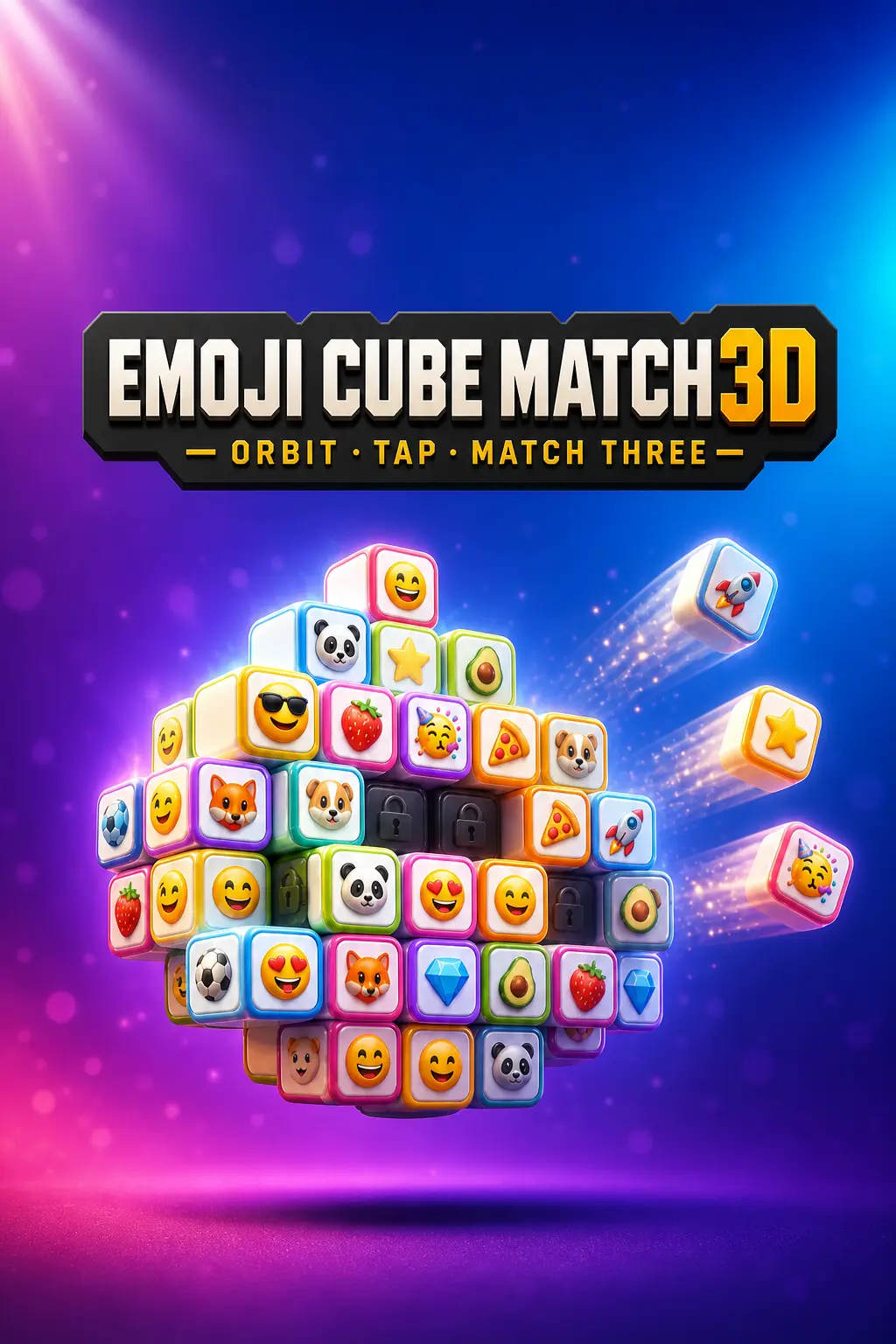
9. Emoji Cube Match 3D
Emoji Cube Match 3D is number 9 because visible-cube selection, rotation, and tray limits make each triple a planning decision. It is best for a deeper spatial challenge, with a typical fit of 8-minute levels.
Survey the whole shape, commit only to reachable triples, and use rotation to reveal partners before filling the tray. Keep in mind that later levels need more sustained attention than a quick desk break. Choose it when that trade-off matches your available time, preferred pace, and device.
- Best for: a deeper spatial challenge.
- Session fit: 8-minute levels.
- Know before playing: later levels need more sustained attention than a quick desk break.
10. Road to Trillionaire
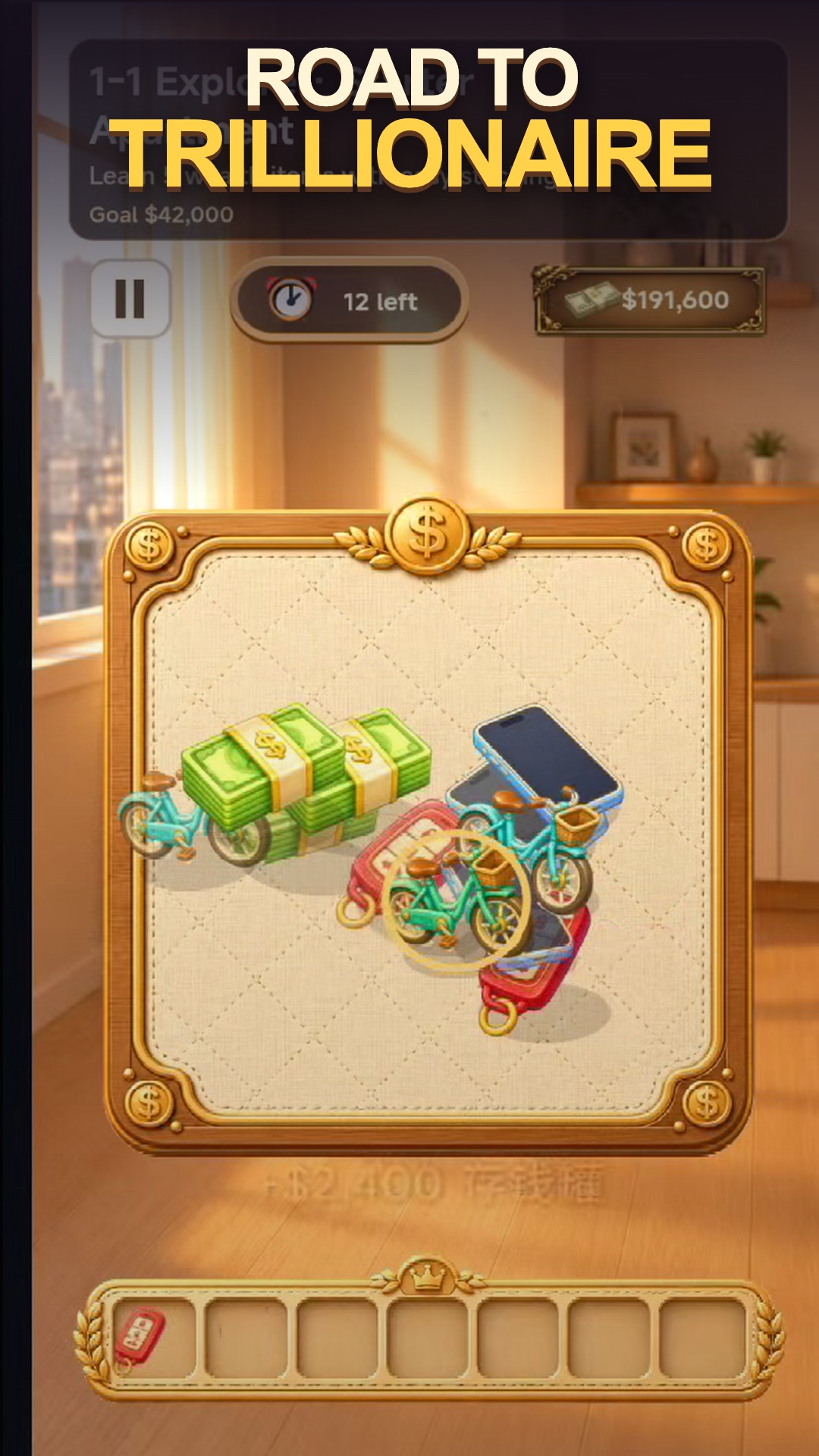
Road to Trillionaire is number 10 because layered 3D piles and unlockable scenes give the puzzle a stronger sense of forward movement. It is best for object searching with progression, with a typical fit of 8-minute stages.
Clear complete accessible triples and favor objects that reveal deeper layers instead of opening many partial sets. Keep in mind that the progression theme can encourage one more stage after the break ends. Choose it when that trade-off matches your available time, preferred pace, and device.
- Best for: object searching with progression.
- Session fit: 8-minute stages.
- Know before playing: the progression theme can encourage one more stage after the break ends.
Match the Puzzle to the Kind of Break You Need
For recovery, remove time pressure: Garden Sudoku or Crystal Energy Merge lets you slow the decision down. For an energy lift, choose Tetris Out or Fruit Farm Frenzy. For focused spatial thinking, choose Hexa Blast, Cube Out, or Emoji Cube Match 3D.
A clean stopping rule is more important than a timer. Decide before starting that you will finish one grid, one level, or one score run; the game then supports the break instead of quietly extending it.
- Two-to-five-minute gap: one Diamond Blast, Crypto Mahjong, or Tetris Out run.
- Calm reset: Garden Sudoku or Crystal Energy Merge.
- Bigger screen available: Cube Out or Emoji Cube Match 3D.
- Want visible progression: Road to Trillionaire.
Frequently asked questions
What is the best puzzle game for a five-minute break?
Diamond Blast, Crypto Mahjong, Tetris Out, and Fruit Farm Frenzy all suit compact rounds. Diamond Blast is the calmest starting point; Tetris Out is the most pressure-driven.
Which puzzle game is most relaxing?
Garden Sudoku is a good choice if untimed deduction feels calming. Crystal Energy Merge is better if you prefer arranging and evolving pieces instead of filling a number grid.
What puzzle game works best on a larger screen?
Emoji Cube Match 3D and Cube Out benefit from room to rotate and inspect 3D shapes. A phone can still work, but a larger view makes hidden faces easier to read.
How do I keep a game break short?
Choose a game with a round or level boundary and decide the stopping rule before you press play. End after one grid, one score run, or one completed stage.
Are these puzzle games free to play online?
The linked browser previews were available without an upfront purchase at review time. Check the current detail page because availability and app features can change.
Do short puzzle games help productivity?
This guide does not make a medical or productivity claim. A short game can provide a change of activity, but whether it helps you return refreshed depends on the person, game, timing, and ability to stop.
Sources and further reading
- Elseland game library
First-party catalog used to verify current browser-playable titles and game detail routes; checked September 2, 2026.
- Elseland puzzle games
First-party collection used to compare current puzzle formats and published titles.
Next step