Searching for the best casual games usually produces a list of famous names without explaining what “best” means. A five-minute browser puzzle, a cooperative live-service game, and a sixty-hour story can all be excellent, but they solve different player needs. This guide starts by defining the decision instead of pretending popularity is one universal score.
Our list mixes widely known games with a small number of relevant Elseland experiences. You can also browse the full casual games collection to compare shorter playable loops before committing to a larger download or purchase.
The order is an editorial recommendation based on public evidence and the fixed criteria above. We did not claim private telemetry, publisher access, or hands-on testing that did not occur. Use the quick table to shortlist by fit, then read each numbered entry for the limitation that could change your decision.
Quick read
Key takeaways
- The best choice depends on session length, device, desired challenge, and whether you are playing alone or with other people.
- A famous game is not automatically the best fit; every selection below includes a clear strength and a meaningful trade-off.
- Elseland games appear only where their actual loop matches the category, and they are not ranked as best overall by default.
- Official pages were checked on August 21, 2026, but live modes, pricing, accounts, and platform access can change.
The 15 Best Casual Games at a Glance
Start with the “best for” column rather than the rank. The list rewards games that express their intended experience clearly, but a lower-ranked specialist can still be the right personal choice.
For live and annual games, treat this as an August 21, 2026 snapshot. Check the linked official page before spending money or planning a group session, especially when subscriptions, account requirements, online services, or platform editions matter.
| Rank | Game | Best for | Why it stands out |
|---|---|---|---|
| 1 | Candy Crush Saga | accessible puzzle progression | clear board goals and strong feedback make returning easy |
| 2 | Stardew Valley | relaxed progression and self-directed play | players can farm, socialize, explore, or simply decorate at their own pace |
| 3 | Animal Crossing: New Horizons | cozy creativity and daily check-ins | daily island routines create progress without urgency |
| 4 | Wordle | daily wordplay and social comparison | one puzzle respects the player's time |
| 5 | Food Box Merge | cozy puzzle and simulation play | matching and space planning produce a cozy browser loop |
| 6 | Among Us | voice-chat groups and party play | simple tasks let conversation carry the fun |
| 7 | Fall Guys | casual multiplayer spectacle | failure is quick, funny, and easy to recover from |
| 8 | Vampire Survivors | low-friction action and build experimentation | minimal controls make action accessible while builds add depth |
| 9 | Dorfromantik | calm strategy and short planning sessions | tile placement is calm even when players chase higher scores |
| 10 | Monument Valley 2 | calm, visually led puzzle sessions | visual puzzles are gentle and touch-friendly |
| 11 | Road to Trillionaire | casual spatial matching | 3D object matching supports short progression sessions |
| 12 | Towercraft 3D | one-more-run arcade play | one mechanic provides an immediate reason to retry |
| 13 | Balatro | compact strategy and replayable card builds | pausing between hands makes strategy easy to play in pieces |
| 14 | Slither.io | fast browser competition | the controls are instant even when survival remains competitive |
| 15 | Fruit Luck | short score and probability sessions | a short reel session includes optional Hold and Nudge decisions |
1. Candy Crush Saga
Candy Crush Saga earns the number 1 position because clear board goals and strong feedback make returning easy. Readable pieces, compact goals, and escalating board constraints make it a durable reference for casual match-3 design. That combination gives it a specific reason to appear in this best casual games list instead of relying on name recognition alone.
Best for: accessible puzzle progression. Its strongest quality is how clearly the player can understand the next meaningful decision, then see the result soon enough to adjust. The main trade-off is that long-term progression includes lives, events, and monetization layers. We reviewed the current official product or publisher page for public gameplay and availability context as of August 21, 2026; modes, pricing, and platform access can change after that date. Choose it when that fit matches your time, device, group, and tolerance for complexity—not because every player needs the same universal winner.
- Why it made the list: clear board goals and strong feedback make returning easy.
- Best fit: accessible puzzle progression.
- Consider before playing: long-term progression includes lives, events, and monetization layers.
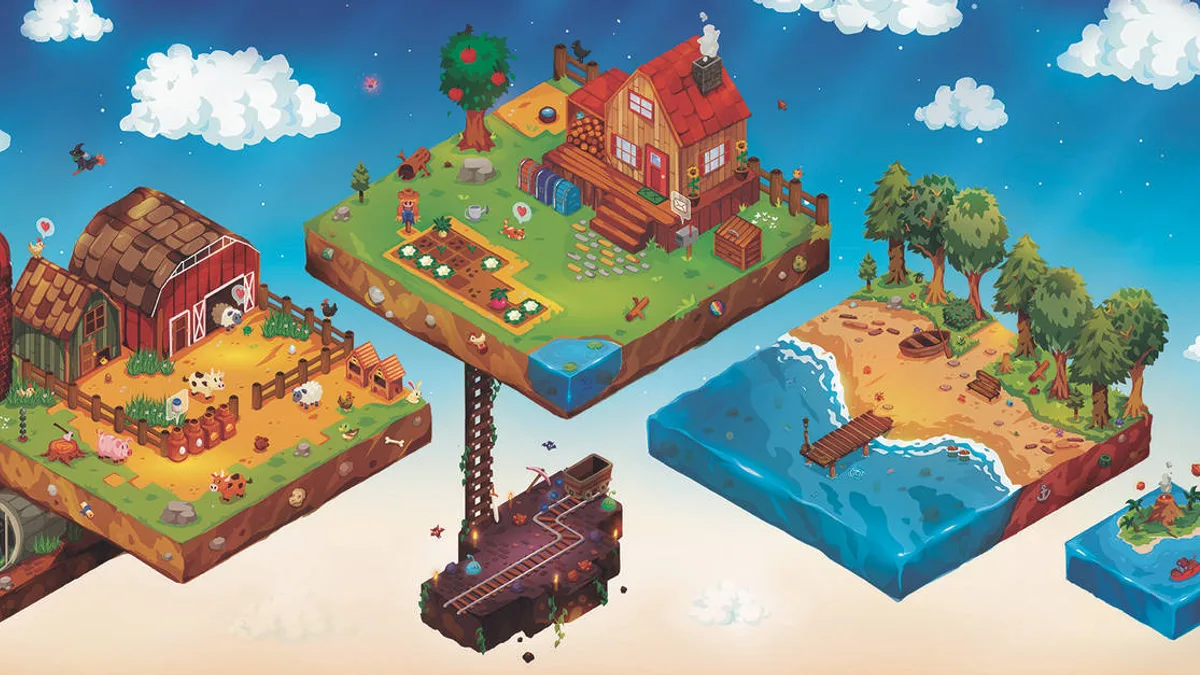
2. Stardew Valley
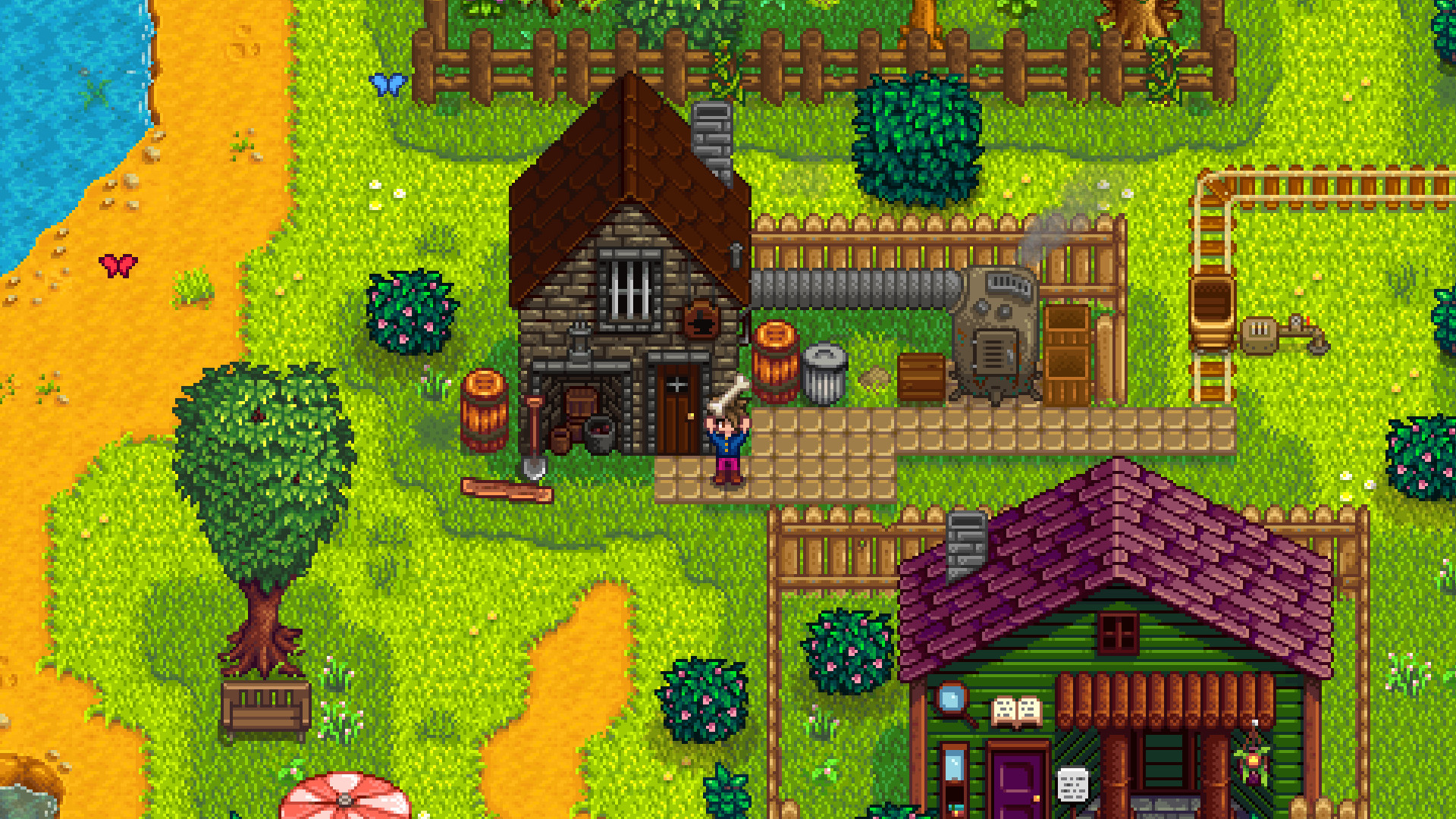
Stardew Valley earns the number 2 position because players can farm, socialize, explore, or simply decorate at their own pace. Farming, relationships, exploration, and long-term goals create a welcoming routine with surprising depth. That combination gives it a specific reason to appear in this best casual games list instead of relying on name recognition alone.
Best for: relaxed progression and self-directed play. Its strongest quality is how clearly the player can understand the next meaningful decision, then see the result soon enough to adjust. The main trade-off is that the in-game clock can make optimizers feel pressured. We reviewed the current official product or publisher page for public gameplay and availability context as of August 21, 2026; modes, pricing, and platform access can change after that date. Choose it when that fit matches your time, device, group, and tolerance for complexity—not because every player needs the same universal winner.
- Why it made the list: players can farm, socialize, explore, or simply decorate at their own pace.
- Best fit: relaxed progression and self-directed play.
- Consider before playing: the in-game clock can make optimizers feel pressured.
3. Animal Crossing: New Horizons
Animal Crossing: New Horizons earns the number 3 position because daily island routines create progress without urgency. Real-time island routines, decoration, collecting, and neighbor interactions support gentle long-term play. That combination gives it a specific reason to appear in this best casual games list instead of relying on name recognition alone.
Best for: cozy creativity and daily check-ins. Its strongest quality is how clearly the player can understand the next meaningful decision, then see the result soon enough to adjust. The main trade-off is that progression is intentionally slow. We reviewed the current official product or publisher page for public gameplay and availability context as of August 21, 2026; modes, pricing, and platform access can change after that date. Choose it when that fit matches your time, device, group, and tolerance for complexity—not because every player needs the same universal winner.
- Why it made the list: daily island routines create progress without urgency.
- Best fit: cozy creativity and daily check-ins.
- Consider before playing: progression is intentionally slow.
4. Wordle
Wordle earns the number 4 position because one puzzle respects the player's time. The daily five-letter puzzle turns a tiny ruleset into a shared ritual with a clean stopping point. That combination gives it a specific reason to appear in this best casual games list instead of relying on name recognition alone.
Best for: daily wordplay and social comparison. Its strongest quality is how clearly the player can understand the next meaningful decision, then see the result soon enough to adjust. The main trade-off is that there is only one official puzzle each day. We reviewed the current official product or publisher page for public gameplay and availability context as of August 21, 2026; modes, pricing, and platform access can change after that date. Choose it when that fit matches your time, device, group, and tolerance for complexity—not because every player needs the same universal winner.
- Why it made the list: one puzzle respects the player's time.
- Best fit: daily wordplay and social comparison.
- Consider before playing: there is only one official puzzle each day.
5. Food Box Merge
Food Box Merge earns the number 5 position because matching and space planning produce a cozy browser loop. Matching boxes and limited board space make every merge a small planning decision. That combination gives it a specific reason to appear in this best casual games list instead of relying on name recognition alone.
Best for: cozy puzzle and simulation play. Its strongest quality is how clearly the player can understand the next meaningful decision, then see the result soon enough to adjust. The main trade-off is that board congestion can punish an early mistake. This is an Elseland selection, so its shorter scope is part of the recommendation: it is meant to demonstrate one readable loop quickly rather than imitate the content volume of a large commercial release. Choose it when that fit matches your time, device, group, and tolerance for complexity—not because every player needs the same universal winner.
- Why it made the list: matching and space planning produce a cozy browser loop.
- Best fit: cozy puzzle and simulation play.
- Consider before playing: board congestion can punish an early mistake.
6. Among Us
Among Us earns the number 6 position because simple tasks let conversation carry the fun. Simple tasks create cover for social deduction, accusation, and bluffing across short multiplayer rounds. That combination gives it a specific reason to appear in this best casual games list instead of relying on name recognition alone.
Best for: voice-chat groups and party play. Its strongest quality is how clearly the player can understand the next meaningful decision, then see the result soon enough to adjust. The main trade-off is that match quality depends heavily on the group. We reviewed the current official product or publisher page for public gameplay and availability context as of August 21, 2026; modes, pricing, and platform access can change after that date. Choose it when that fit matches your time, device, group, and tolerance for complexity—not because every player needs the same universal winner.
- Why it made the list: simple tasks let conversation carry the fun.
- Best fit: voice-chat groups and party play.
- Consider before playing: match quality depends heavily on the group.
7. Fall Guys
Fall Guys earns the number 7 position because failure is quick, funny, and easy to recover from. Readable obstacle courses and quick elimination make competitive platforming approachable and funny. That combination gives it a specific reason to appear in this best casual games list instead of relying on name recognition alone.
Best for: casual multiplayer spectacle. Its strongest quality is how clearly the player can understand the next meaningful decision, then see the result soon enough to adjust. The main trade-off is that crowds and physics introduce substantial randomness. We reviewed the current official product or publisher page for public gameplay and availability context as of August 21, 2026; modes, pricing, and platform access can change after that date. Choose it when that fit matches your time, device, group, and tolerance for complexity—not because every player needs the same universal winner.
- Why it made the list: failure is quick, funny, and easy to recover from.
- Best fit: casual multiplayer spectacle.
- Consider before playing: crowds and physics introduce substantial randomness.
8. Vampire Survivors
Vampire Survivors earns the number 8 position because minimal controls make action accessible while builds add depth. Minimal movement controls hide a dense build-selection game built around timing, positioning, and escalating spectacle. That combination gives it a specific reason to appear in this best casual games list instead of relying on name recognition alone.
Best for: low-friction action and build experimentation. Its strongest quality is how clearly the player can understand the next meaningful decision, then see the result soon enough to adjust. The main trade-off is that late-run effects can become visually overwhelming. We reviewed the current official product or publisher page for public gameplay and availability context as of August 21, 2026; modes, pricing, and platform access can change after that date. Choose it when that fit matches your time, device, group, and tolerance for complexity—not because every player needs the same universal winner.
- Why it made the list: minimal controls make action accessible while builds add depth.
- Best fit: low-friction action and build experimentation.
- Consider before playing: late-run effects can become visually overwhelming.
9. Dorfromantik
Dorfromantik earns the number 9 position because tile placement is calm even when players chase higher scores. Tile placement blends landscape building with quiet spatial optimization and optional challenge. That combination gives it a specific reason to appear in this best casual games list instead of relying on name recognition alone.
Best for: calm strategy and short planning sessions. Its strongest quality is how clearly the player can understand the next meaningful decision, then see the result soon enough to adjust. The main trade-off is that players seeking direct competition may find it too gentle. We reviewed the current official product or publisher page for public gameplay and availability context as of August 21, 2026; modes, pricing, and platform access can change after that date. Choose it when that fit matches your time, device, group, and tolerance for complexity—not because every player needs the same universal winner.
- Why it made the list: tile placement is calm even when players chase higher scores.
- Best fit: calm strategy and short planning sessions.
- Consider before playing: players seeking direct competition may find it too gentle.
10. Monument Valley 2
Monument Valley 2 earns the number 10 position because visual puzzles are gentle and touch-friendly. Optical architecture and gentle interaction create puzzles that are as much about visual composition as deduction. That combination gives it a specific reason to appear in this best casual games list instead of relying on name recognition alone.
Best for: calm, visually led puzzle sessions. Its strongest quality is how clearly the player can understand the next meaningful decision, then see the result soon enough to adjust. The main trade-off is that experienced puzzle players may find it brief. We reviewed the current official product or publisher page for public gameplay and availability context as of August 21, 2026; modes, pricing, and platform access can change after that date. Choose it when that fit matches your time, device, group, and tolerance for complexity—not because every player needs the same universal winner.
- Why it made the list: visual puzzles are gentle and touch-friendly.
- Best fit: calm, visually led puzzle sessions.
- Consider before playing: experienced puzzle players may find it brief.
11. Road to Trillionaire
Road to Trillionaire earns the number 11 position because 3D object matching supports short progression sessions. A 3D match-and-clear puzzle ties object search to a visible life-progression theme. That combination gives it a specific reason to appear in this best casual games list instead of relying on name recognition alone.
Best for: casual spatial matching. Its strongest quality is how clearly the player can understand the next meaningful decision, then see the result soon enough to adjust. The main trade-off is that its progression is lighter than a long-form puzzle saga. This is an Elseland selection, so its shorter scope is part of the recommendation: it is meant to demonstrate one readable loop quickly rather than imitate the content volume of a large commercial release. Choose it when that fit matches your time, device, group, and tolerance for complexity—not because every player needs the same universal winner.
- Why it made the list: 3D object matching supports short progression sessions.
- Best fit: casual spatial matching.
- Consider before playing: its progression is lighter than a long-form puzzle saga.
12. Towercraft 3D
Towercraft 3D earns the number 12 position because one mechanic provides an immediate reason to retry. Dropping crane-suspended floors turns one input into a tense test of timing, alignment, and recovery. That combination gives it a specific reason to appear in this best casual games list instead of relying on name recognition alone.
Best for: one-more-run arcade play. Its strongest quality is how clearly the player can understand the next meaningful decision, then see the result soon enough to adjust. The main trade-off is that the core interaction is deliberately minimal. This is an Elseland selection, so its shorter scope is part of the recommendation: it is meant to demonstrate one readable loop quickly rather than imitate the content volume of a large commercial release. Choose it when that fit matches your time, device, group, and tolerance for complexity—not because every player needs the same universal winner.
- Why it made the list: one mechanic provides an immediate reason to retry.
- Best fit: one-more-run arcade play.
- Consider before playing: the core interaction is deliberately minimal.
13. Balatro
Balatro earns the number 13 position because pausing between hands makes strategy easy to play in pieces. Poker hands become a flexible scoring language through jokers, deck changes, and escalating blind requirements. That combination gives it a specific reason to appear in this best casual games list instead of relying on name recognition alone.
Best for: compact strategy and replayable card builds. Its strongest quality is how clearly the player can understand the next meaningful decision, then see the result soon enough to adjust. The main trade-off is that its multiplier logic takes time to internalize. We reviewed the current official product or publisher page for public gameplay and availability context as of August 21, 2026; modes, pricing, and platform access can change after that date. Choose it when that fit matches your time, device, group, and tolerance for complexity—not because every player needs the same universal winner.
- Why it made the list: pausing between hands makes strategy easy to play in pieces.
- Best fit: compact strategy and replayable card builds.
- Consider before playing: its multiplier logic takes time to internalize.
14. Slither.io
Slither.io earns the number 14 position because the controls are instant even when survival remains competitive. A one-button growth loop creates readable multiplayer tension: collect safely, cut off rivals, or lose the whole run. That combination gives it a specific reason to appear in this best casual games list instead of relying on name recognition alone.
Best for: fast browser competition. Its strongest quality is how clearly the player can understand the next meaningful decision, then see the result soon enough to adjust. The main trade-off is that crowded matches can feel chaotic and connection-sensitive. We reviewed the current official product or publisher page for public gameplay and availability context as of August 21, 2026; modes, pricing, and platform access can change after that date. Choose it when that fit matches your time, device, group, and tolerance for complexity—not because every player needs the same universal winner.
- Why it made the list: the controls are instant even when survival remains competitive.
- Best fit: fast browser competition.
- Consider before playing: crowded matches can feel chaotic and connection-sensitive.
15. Fruit Luck
Fruit Luck earns the number 15 position because a short reel session includes optional Hold and Nudge decisions. Three fruit reels, Hold, and Nudge create a compact risk-and-recovery loop designed for immediate browser play. That combination gives it a specific reason to appear in this best casual games list instead of relying on name recognition alone.
Best for: short score and probability sessions. Its strongest quality is how clearly the player can understand the next meaningful decision, then see the result soon enough to adjust. The main trade-off is that the slot-inspired structure is intentionally narrow. This is an Elseland selection, so its shorter scope is part of the recommendation: it is meant to demonstrate one readable loop quickly rather than imitate the content volume of a large commercial release. Choose it when that fit matches your time, device, group, and tolerance for complexity—not because every player needs the same universal winner.
- Why it made the list: a short reel session includes optional Hold and Nudge decisions.
- Best fit: short score and probability sessions.
- Consider before playing: the slot-inspired structure is intentionally narrow.
How to Choose the Best Casual Games for You
First, choose the session you actually have. A daily puzzle should reach a meaningful result in minutes; a competitive game must justify practice and matchmaking time; a long story or simulation needs enough uninterrupted attention for its systems and characters to accumulate. Comparing all three on content volume alone produces a misleading winner.
Second, check access before excitement. Confirm device support, input method, download size, account requirements, online subscription, local or cross-platform multiplayer, accessibility settings, and whether the advertised mode is part of the base game. Free-to-play describes entry price, not the complete economy or long-term collection burden.
Third, identify the kind of friction you enjoy. Puzzle friction comes from incomplete information; action friction from execution; strategy friction from consequences; social friction from other people. The right game makes that friction understandable and recoverable. The wrong game can be critically acclaimed and still feel like work.
- Time: decide whether you want a five-minute round, a one-hour session, or a long campaign.
- Access: verify platform, account, network, input, and current price on the official page.
- People: distinguish solo, local co-op, asynchronous, and live competitive play.
- Difficulty: choose whether you want planning, execution, social reading, or relaxed progression.
- Safety and comfort: review age rating, content warnings, communication tools, privacy, and accessibility.
- Return value: look for mastery, varied stories, social play, or fresh systems—not only a long checklist.
What This Casual Games Ranking Can and Cannot Tell You
A list can organize choices, but it cannot replace your device constraints, accessibility needs, regional store, preferred community, or tolerance for monetization. It also cannot freeze a live game in time. We therefore link first-party pages, date the review, separate Elseland's short playable experiences from full commercial releases, and avoid invented performance scores.
The ranking should be revisited when a game closes, changes its access model, launches a major edition, or materially alters the mode that justified its inclusion. Reader feedback is most useful when it identifies a factual change or a missing player need, not simply a different favorite.
| Evidence | Supports | Does not prove |
|---|---|---|
| Official game page | Current public positioning, platforms, and documented modes | Independent quality or universal fit |
| Public playable page | Observable controls, loop, and presentation | Long-term retention or private metrics |
| Editorial criteria | A consistent basis for comparison | A mathematical truth for every player |
| Dated review | A reproducible snapshot | Future availability, price, or balance |
Frequently asked questions
What is the best casual games game in 2026?
The first-ranked option is our broadest editorial recommendation, but the better answer depends on your device, session length, preferred difficulty, and whether you play solo or with a group. Use the “best for” field before treating rank as a universal score.
Are the best casual games free?
Some are free, some offer free entry with optional purchases, and others require a purchase or subscription. We avoid hard-coding unstable prices; check the linked official page for the current terms in your region.
Can I play these games in a browser?
Only some entries are browser games. Browser access is stated when it is central to the recommendation; other games may require a console, PC, mobile download, account, or online service.
Why are Elseland games included with famous commercial games?
They give readers a directly playable example of a category loop. Their smaller scope is disclosed, they use the same best-for and trade-off format, and they are included only when the actual mechanic fits the topic.
Did Elseland test every game on this list?
No. This draft is based on current public official pages and documented or publicly observable gameplay, not a claimed hands-on benchmark. The methodology states that limit explicitly.
How often should a best-games article be updated?
Review it whenever a listed game changes access, closes, receives a major new edition, or alters the mode behind its recommendation. At minimum, recheck official links and time-sensitive claims before republishing the annual title.
How should parents choose an age-appropriate game?
Check the current regional age rating, content descriptors, online communication, user-generated content, purchases, privacy controls, and whether play requires interaction with strangers. A broad “casual” or colorful presentation is not an age rating.
What should I play if I only have ten minutes?
Choose an entry built around a complete short loop, such as a daily puzzle, arcade run, match, or compact Elseland game. Avoid starting a long narrative or management session when stopping early would erase context or progress.
Sources and further reading
- Candy Crush Saga official page
First-party product or publisher reference used for public gameplay and availability context; checked August 21, 2026.
- Stardew Valley official page
First-party product or publisher reference used for public gameplay and availability context; checked August 21, 2026.
- Animal Crossing: New Horizons official page
First-party product or publisher reference used for public gameplay and availability context; checked August 21, 2026.
- Wordle official page
First-party product or publisher reference used for public gameplay and availability context; checked August 21, 2026.
- Among Us official page
First-party product or publisher reference used for public gameplay and availability context; checked August 21, 2026.
- Fall Guys official page
First-party product or publisher reference used for public gameplay and availability context; checked August 21, 2026.
- Vampire Survivors official page
First-party product or publisher reference used for public gameplay and availability context; checked August 21, 2026.
- Dorfromantik official page
First-party product or publisher reference used for public gameplay and availability context; checked August 21, 2026.
- ESRB ratings guide
Authoritative reference for rating categories and content descriptors.
- Game Accessibility Guidelines
Practical accessibility guidance used when considering control, feedback, and readable game states.
Next step